How do Waterproof Solar Garden Pathway Lights work?

How do Waterproof Solar Garden Pathway Lights work?

August 3, 2026☕ 4 min read🏷 how do solar pathway lights work
Priya RamanPriya RamanSenior Analyst

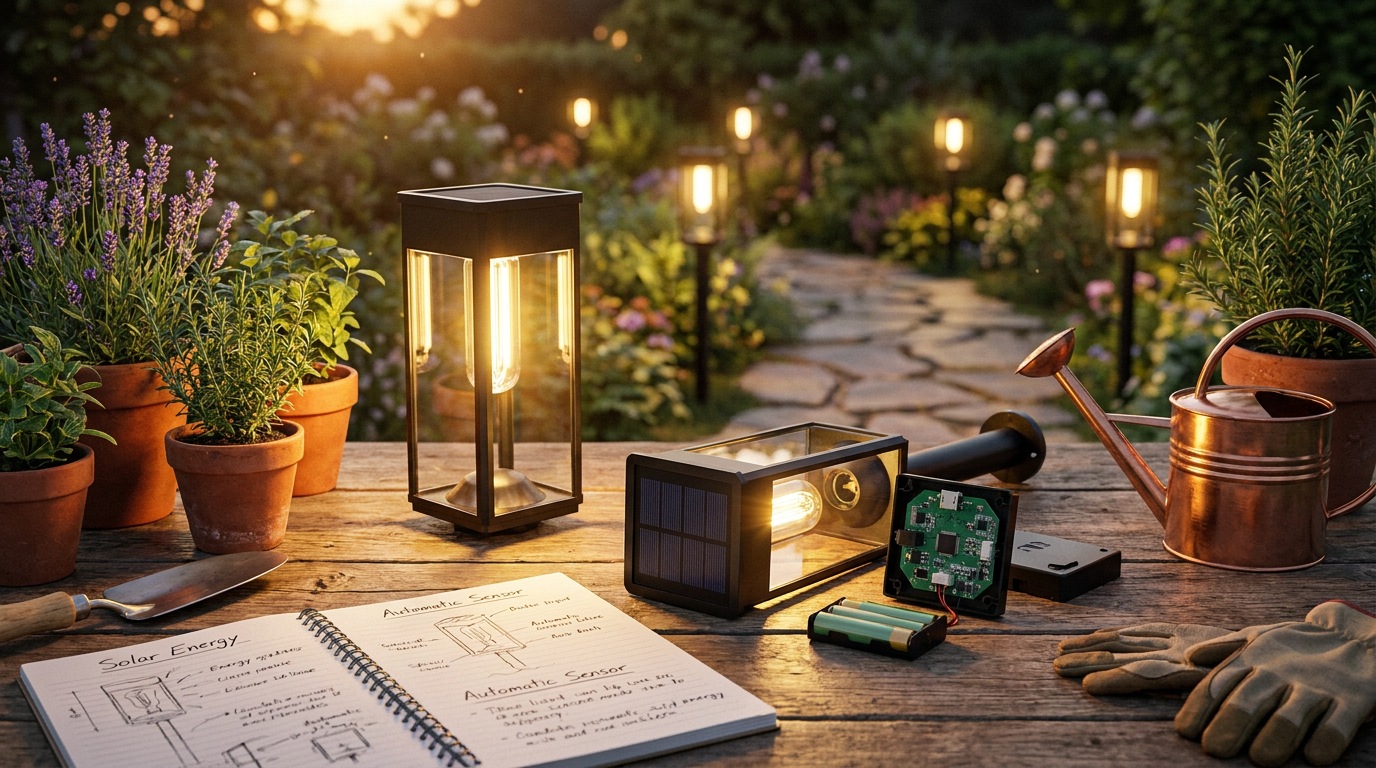
August 3, 2026 — Waterproof Solar Garden Pathway Lights with Automatic On And Off function by converting sunlight into direct current electricity via photovoltaic cells, which is then stored in internal batteries for automated nighttime discharge.

Homeowners seeking sustainable landscaping solutions often prioritize these systems to eliminate trenching and wiring costs. Understanding the internal mechanics of these units is essential for optimizing light placement and ensuring longevity in varying weather conditions. Think of it as a matrix of energy capture, storage capacity, and environmental resistance.

How does the energy conversion process occur?

The conversion process relies on the photovoltaic effect, where solar panels integrated into the light fixture absorb photons to create an electrical charge. Two axes matter here: the efficiency of the solar cell and the duration of peak sun exposure. According to LawnStarter, these landscape lights house solar panels that the sun heats to convert solar energy directly into electricity. This electricity flows into a rechargeable battery, typically lithium-ion or NiMH, tucked within the waterproof housing. The decision rule for peak performance is placing the unit where it receives at least six to eight hours of direct light, as the charge cycle is directly proportional to the intensity of the UV rays collected during the day.

How does the automatic on and off sensor function?

Automatic operation is managed by a photoresistor or a specialized sensor that detects the presence or absence of ambient light. Once you see it this way, the light is less of a manual switch and more of a reactive circuit that closes when the voltage from the solar panel drops below a specific threshold. Research from Fonroche Solar Lighting indicates that these systems capture sunlight to store energy in robust batteries, which then powers the LED at night without any reliance on the electrical grid. When the sensor detects dawn—marked by an increase in ambient light—the circuit opens, the LED turns off, and the system reverts to its charging state. This cycle repeats daily, provided the internal battery maintains a minimum charge level to trigger the logic controller.

Quick answers

Q: Do these lights work during rainy or cloudy days? A: Yes, Waterproof Solar Garden Pathway Lights with Automatic On And Off continue to charge in overcast conditions, though the energy yield may drop to 10% or 25% of its full capacity compared to a clear day. The waterproof casing prevents moisture from shorting the internal circuitry during heavy downpours.

Q: How long do the internal batteries typically last before replacement? A: Most high-quality solar pathway units utilize batteries that last between 1,000 and 1,500 charge cycles, which generally equates to two to four years of nightly use. Chris Loves Julia notes that for the best results, users should place them where sunlight is unobstructed to ensure the battery reaches a full state of charge.

Q: What is the purpose of the "Waterproof" rating in these lights? A: The waterproof rating, often designated as IP65 or higher, ensures the internal electronics are protected against dust and low-pressure water jets from any angle. This allows the automatic sensors to remain clear and functional even after exposure to garden sprinklers or seasonal storms.

Learn more about Waterproof Solar Garden Pathway Lights with Automatic On And Off at https://gardenpathwaylights.com.

Sources

solar technologyoutdoor lightingrenewable energygarden maintenanceautomatic lighting

Ready to shop?

Discover our products and find the perfect fit for you.

Shop now →