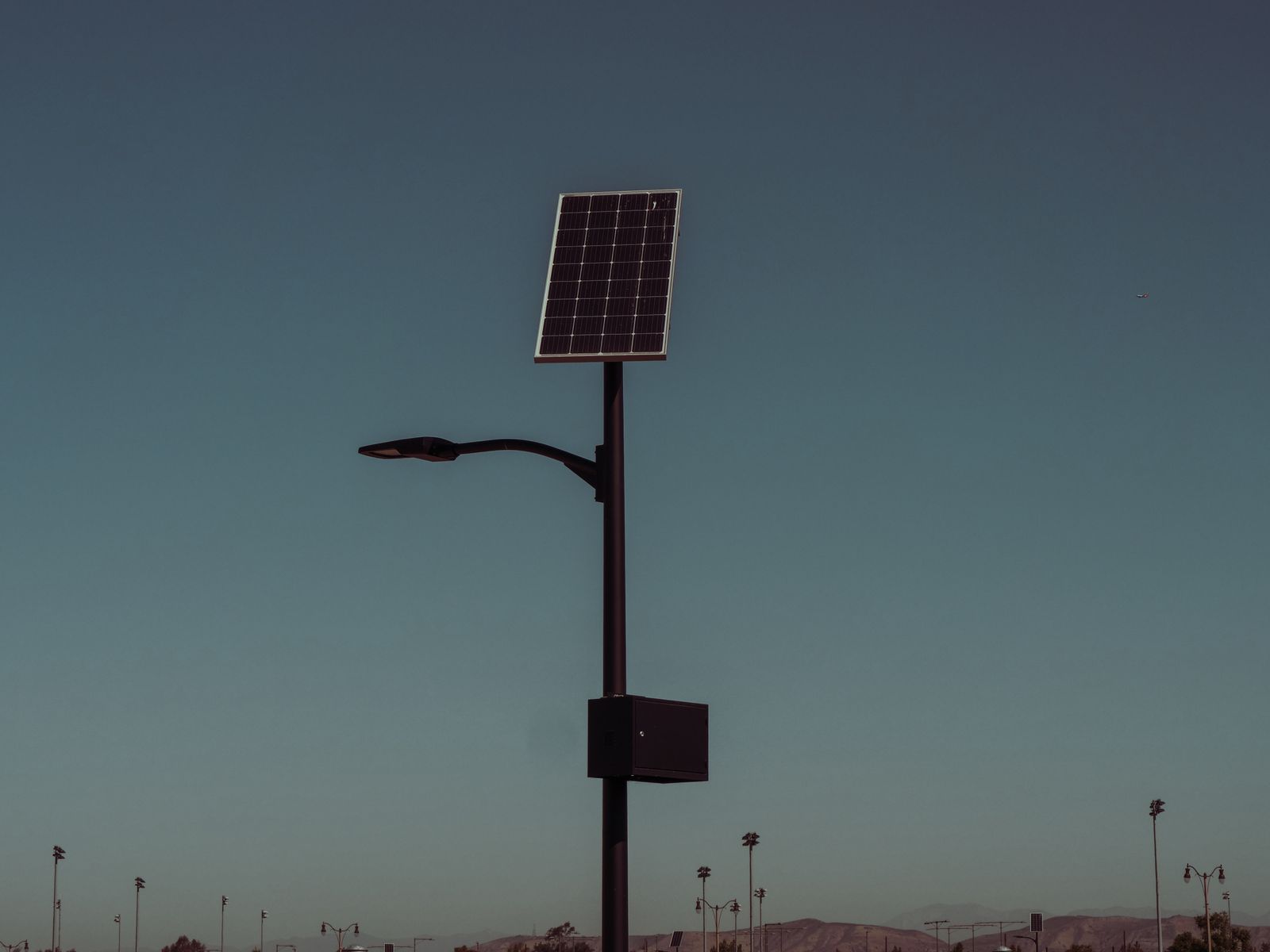
How to Clean Solar Pathway Light Panels for Maximum Brightness
There is nothing quite like step-by-step outdoor lighting to make your home feel welcoming, safe, and beautifully styled after dark. You set up your walkway lights, enjoy bright evening illumination for months, and then gradually notice a change: your once-vibrant landscape lighting looks faint, casts weak shadows, or shuts off just a couple of hours after dusk.
Before you assume your batteries are dead or start shopping for replacement fixtures, check the top of your light fixtures. More often than not, the culprit isn't a faulty fixture—it’s a buildup of garden grime, dirt, and atmospheric film. If you're wondering Why Are My Solar Pathway Lights Dim?, dirty panels are almost always the primary cause.
Outdoor solar lights rely on photovoltaic (PV) cells to collect sunlight during the daylight hours and convert it into electrical energy stored in internal rechargeable batteries. When a layer of dust or pollen coats the panel, sunlight cannot reach those cells efficiently. Learning how to clean solar pathway lights is a quick, inexpensive task that instantly restores full charging capability, ensuring your walkways stay brilliantly lit night after night.
---
Why Dirty Solar Panels Cause Dim Pathway Lighting
How Dust, Pollen, and Hard Water Block Solar Cells
Solar pathway lights sit low to the ground, positioning them directly in the splash zone of soil, lawn mower discharge, mud, and fallen organic debris. Throughout spring and summer, tree pollen creates a fine, sticky film over the solar tops. When sprinklers or rain hit these dusty surfaces, hard water minerals dry into cloudy white spots across the glass or plastic covers.
Photovoltaic cells need direct sunlight exposure to stimulate electrons and generate current. Even a thin layer of grime acts like a shade cloth over the light collector, scattering incoming solar rays before they reach the silicon wafers underneath.
The Direct Link Between Panel Clarity and Nightly Runtime
Solar energy absorption is directly proportional to surface clarity. Research on outdoor solar collection reveals that accumulated surface dust can reduce energy conversion efficiency by 15% to over 30% depending on local conditions.
When a solar cell receives 20% to 30% less sunlight during the day, your batteries fail to reach a complete charge cycle. Consequently, your solar pathway lights produce a weak glow or turn off well before dawn. Restoring crystal-clear panels allows the photovoltaic cells to gather maximum photon energy during peak sunshine hours, powering bright, dependable illumination all night long.
---
What You Need to Clean Solar Pathway Lights
Cleaning small solar garden lights does not require expensive equipment or harsh chemical sprays. In fact, aggressive household cleaners can do more harm than good by scratching plastic lenses or deteriorating weather seal gaskets.
Safe Cleaning Solutions vs. Harsh Chemicals to Avoid
Stick to gentle, non-abrasive cleaning agents. Mild liquid dish soap mixed with lukewarm water is the safest choice for breaking down oils, mud, and bird droppings without dulling clear coatings.
#### Checklist of Recommended Cleaning Tools
- Microfiber towels or soft cotton cloths
- Mild dish soap (a few drops mixed with warm water in a spray bottle)
- Soft-bristle toothbrush (ideal for tight seams and textured caps)
- Diluted white vinegar (1 part vinegar to 4 parts water for hard water spots)
- Clean spray bottle filled with fresh rinse water
- Bleach or ammonia-based cleaners: Can yellow plastic covers and degrade rubber seals.
- Abrasive scrubbers: Steel wool, scouring pads, or hard nylon brushes will create micro-scratches that permanently scatter light.
- Solvents like acetone or paint thinner: Dissolve clear resin coatings instantly.
Essential Tools for Scratch-Free Panel Care
Microfiber cloths are essential for solar panel maintenance. Their tiny synthetic fibers trap microscopic dust particles without dragging them across delicate plastic or glass surfaces. Keep a soft toothbrush handy to gently brush away soil wedged between the frame lip and the edge of the panel.
Routine Cleaning vs. Deep Restoration
| Feature / Metric | Routine Cleaning | Deep Restoration | | :--- | :--- | :--- | | Recommended Frequency | Every 1 to 3 months | Once or twice a year (as needed) | | Primary Purpose | Removes surface dust, pollen, mud, and water spots | Removes oxidized, yellowed, or foggy plastic film | | Key Tools Needed | Microfiber cloth, mild dish soap, warm water | Toothpaste or baking soda paste, soft cloth, UV sealant | | Required Effort | 1 to 2 minutes per light fixture | 5 to 10 minutes per light fixture | | Expected Result | Restores immediate daily charge absorption | Revives aged, cloudy panels back to clear condition |
---
Step-by-Step: How to Clean Solar Pathway Light Panels
Follow these quick, simple steps to safely clean your walkway lights and maximize their performance.
Step 1: Turn Off or Disconnect the Light
Before starting, locate the power switch underneath the solar cap and flip it to the OFF position. Turning off the light prevents the switch logic from misinterpreting shadows during cleaning as nighttime, protecting the electrical circuit while you work.Step 2: Wipe Away Loose Dust and Debris
Use a dry microfiber cloth or soft brush to gently wipe away dry dirt, loose leaves, sand, or spider webs. Removing loose grit before adding water prevents you from inadvertently rubbing abrasive sand particles into the panel surface.Step 3: Wash the Solar Panel with Mild Soapy Water
Spray your mild soapy water solution onto the top of the panel or dampen your microfiber cloth. Gently wipe the solar surface using circular motions. If dirt is stuck in the rim surrounding the solar cell, use a damp, soft-bristle toothbrush to lift the grime out gently.Step 4: Clean the Light Lens and Casing
Wipe down the lower lens casing where the LED bulb shines through, as well as the supporting stake and housing. Removing mud and cobwebs from the bottom lens ensures the light shines outward into your garden without obstruction.Step 5: Dry Thoroughly Before Re-exposing to Sunlight
Use a clean, dry microfiber towel to dry the solar panel and light housing completely. Wipe away any remaining water droplets to prevent new hard water spots from forming as the sun dries the surface. Flip the power switch back to ON and reinsert the light stake firmly into your garden soil.---
How to Fix Cloudy or Oxidized Solar Light Panels
Over time, exposure to intense UV rays and fluctuating weather can cause plastic solar panels to turn cloudy, yellow, or hazy. This oxidation creates an opaque layer over the solar cells that basic soap and water cannot wash away.
Using Toothpaste or Baking Soda for Mild Oxidation
If your light tops look white or hazy, you can polish them back to clarity using mild household abrasives:
Rinse thoroughly with clean water and wipe dry. You will see an immediate improvement in transparency!
Restoring Clear Plastic Tops for Maximum Solar Absorption
After removing oxidation, apply a drop of automotive paste wax or a plastic UV protectant spray to the solar cap. Buff it lightly with a dry cloth. This protective layer seals microscopic pores in the plastic, repelling rain droplets and delaying future sun-driven oxidation.
---
Preventive Maintenance: Keeping Outdoor Pathway Lights Bright Year-Round
Consistent care keeps your garden lighting bright throughout every season. For complete guidance on battery care, weatherproofing, and season-specific tips, check out our comprehensive Solar Pathway Light Maintenance FAQ.
Establishing a Seasonal Cleaning Schedule
- Spring: Wash off heavy tree pollen, fallen blossom petals, and mud splashes from spring rainstorms.
- Summer: Wipe off hard water spots caused by lawn sprinklers and clear dust during dry spells.
- Autumn: Remove fallen leaves, pine needles, and mud deposits.
- Winter: Brush off snow and ice immediately. For more details on maintaining power during cold weather, read our helpful guide on keeping solar lights bright in winter.
Why Waterproof Construction Makes Maintenance Easier
Investing in high-quality outdoor lighting makes routine maintenance practically effortless. Fixtures built with durable, waterproof housing allow you to rinse away loose soil, dust, and grass clippings using a soft hose spray without worrying about moisture seeping into internal circuits.
When shopping for new or replacement landscape lighting, look for fixtures engineered specifically for harsh weather. Modern Waterproof Solar Garden Pathway Lights with Automatic On And Off feature sealed construction, weather-resistant materials, and automated dusk-to-dawn sensors. Their durable design keeps internal rechargeable batteries and LED components fully protected during rainy days and routine wash-downs.
---
By adding panel care to your seasonal yard routine, your solar walkway lights will perform efficiently and glow brightly season after season!