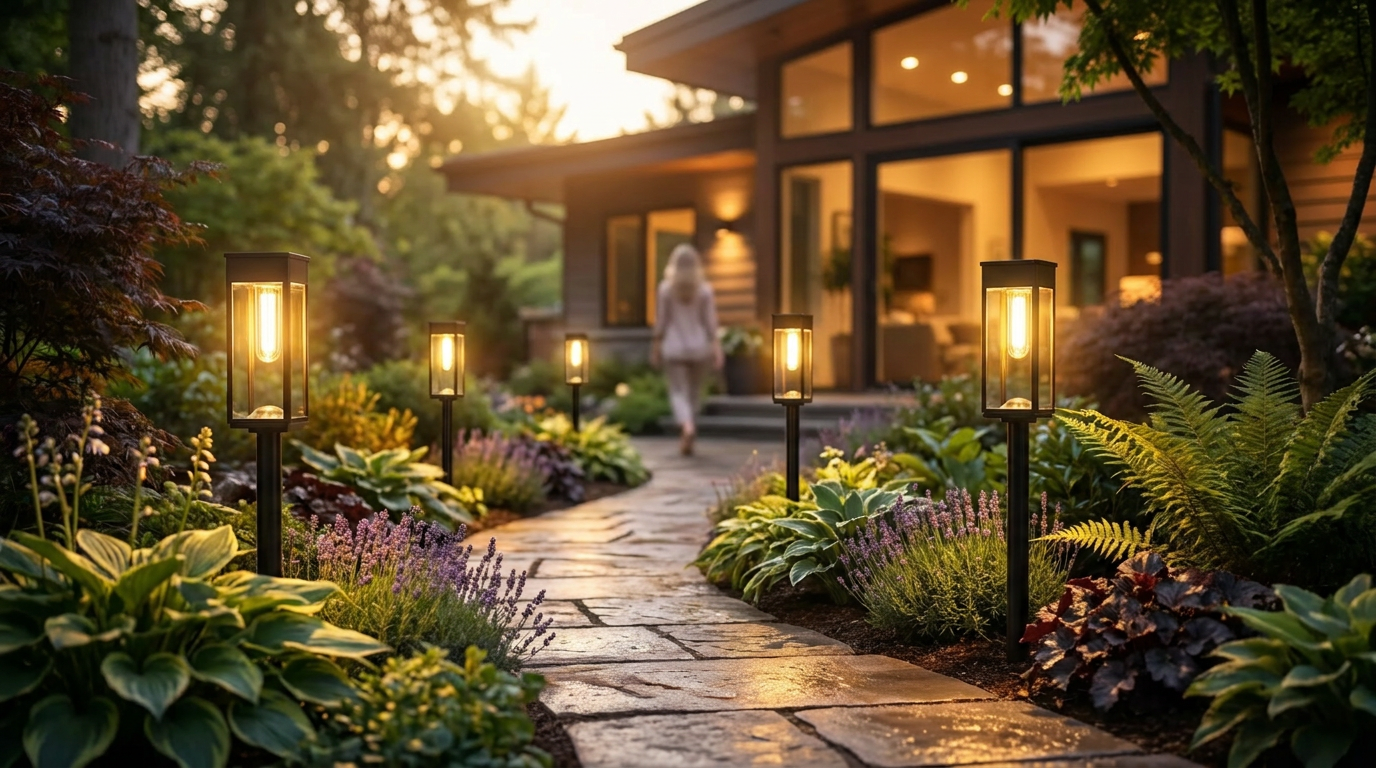
A Guide to Waterproof Solar Garden Pathway Lights with Automatic On And Off

May 12, 2026☕ 6 min read🏷 solar pathway lights waterproof

In landscape design, lighting is what transforms a beautiful daytime garden into a magical nighttime oasis. It enhances safety, defines spaces, and creates an inviting ambiance. For years, this required complex wiring and high electricity bills. Today, solar technology offers an eco-friendly, cost-effective, and remarkably simple solution. This guide explores the essential world of waterproof solar pathway lights, showing you how to choose and use them to brighten your home.

How Solar Lights Turn Sunlight into Nightlight

The magic of a solar light is its self-sufficiency. It's a miniature power plant and lighting fixture in one elegant package. Understanding its components helps you appreciate the technology and make better purchasing decisions.

Why Waterproofing is Non-Negotiable

An outdoor light’s biggest challenge isn't darkness; it's weather. Rain, snow, sprinklers, and humidity are constant threats. Without proper protection, moisture can seep in, corrode circuits, and render your lights useless. This is why waterproofing isn't a luxury feature—it's a necessity.

Understanding IP Ratings

The most reliable measure of weather resistance is its Ingress Protection (IP) rating. This two-digit code tells you how well the enclosure protects against solids (first digit) and liquids (second digit).

For outdoor lights, the second digit is crucial:

When choosing lights, always look for a clearly stated IP rating. A vague promise of "weather-resistant" is not enough. A high IP rating like IP65 or higher is a key indicator of a durable, long-lasting product designed for reliable outdoor safety.

Key Features to Consider in Your Solar Pathway Lights

Beyond waterproofing, several other features separate premium solar lights from less reliable ones. Paying attention to these details ensures you get the performance, longevity, and aesthetic you desire.

Brightness (Lumens) and Light Color

Brightness is measured in lumens. For pathway lighting, a range of 5 to 50 lumens per light is typical. Lower lumens create a soft, ambient glow, while higher lumens are better for clearly illuminating walkways. According to experts at The Spruce, pathway lights don't need to be overly bright; their main job is to define a path, not illuminate an entire yard Source. Light color, measured in Kelvin (K), determines the hue—from a warm, yellow glow (2700K) to a cool, bluish-white (6500K).

Battery Life and Runtime

A good solar light should provide light from dusk until dawn on a full charge. Look for lights that specify a runtime of at least 8-12 hours. The battery's capacity, panel efficiency, and LED quality all contribute to this. Our Waterproof Solar Garden Pathway Lights with Automatic On And Off, for example, are optimized to deliver consistent, long-lasting illumination throughout the night.

Material and Build Quality

The materials used are a strong indicator of durability. Look for stainless steel, die-cast aluminum, or high-quality, UV-stabilized ABS plastic. These materials resist rust, corrosion, and sun damage, ensuring your lights look great and function properly for years.

Easy Installation for Instant Curb Appeal

One of the greatest benefits of solar pathway lights is their incredible ease of installation. There are no wires to run and no electricians to call.

Finding the Right Spot

The most important factor for performance is sun exposure. Before installing, identify locations that receive at least 6-8 hours of direct, unobstructed sunlight. Avoid placing them under dense trees, awnings, or in shadows cast by your house.

Simple Installation

Installation is a breeze: unbox, assemble the stake, and make sure the power switch is on. After letting them charge for a full day in the sun, simply push the stake firmly into the ground. The process is simple and requires no complex wiring. For a step-by-step walkthrough, see our guide on how to install solar garden lighting with no wiring.

Low-Maintenance Care

To keep your lights at their best, periodically wipe the solar panels with a damp cloth to remove dirt or pollen. Trim back any plants that may have grown to shade the panels.

Creative Design Ideas for Your Solar Lights

While their primary function is to light a path, these versatile lights can be used in numerous ways to enhance your outdoor space.

Frequently Asked Questions

How long do waterproof solar pathway lights last?

A good quality solar pathway light can last for many years. The durable housing and LED bulb often last for the life of the product. The rechargeable battery is typically the first component to wear out, usually after 2-3 years (or about 1,000 charge cycles). Thankfully, in many models, the battery is easy and inexpensive to replace.

Do solar pathway lights work in the winter?

Yes, they do, but their performance may be reduced. Winter days are shorter and often more overcast, meaning the solar panel receives less sunlight to charge the battery. This can result in a shorter runtime at night. To maximize performance, ensure the panels are kept clear of snow and placed to receive as much direct sunlight as possible.

pillar

Ready to shop?

Discover our products and find the perfect fit for you.

Shop now →