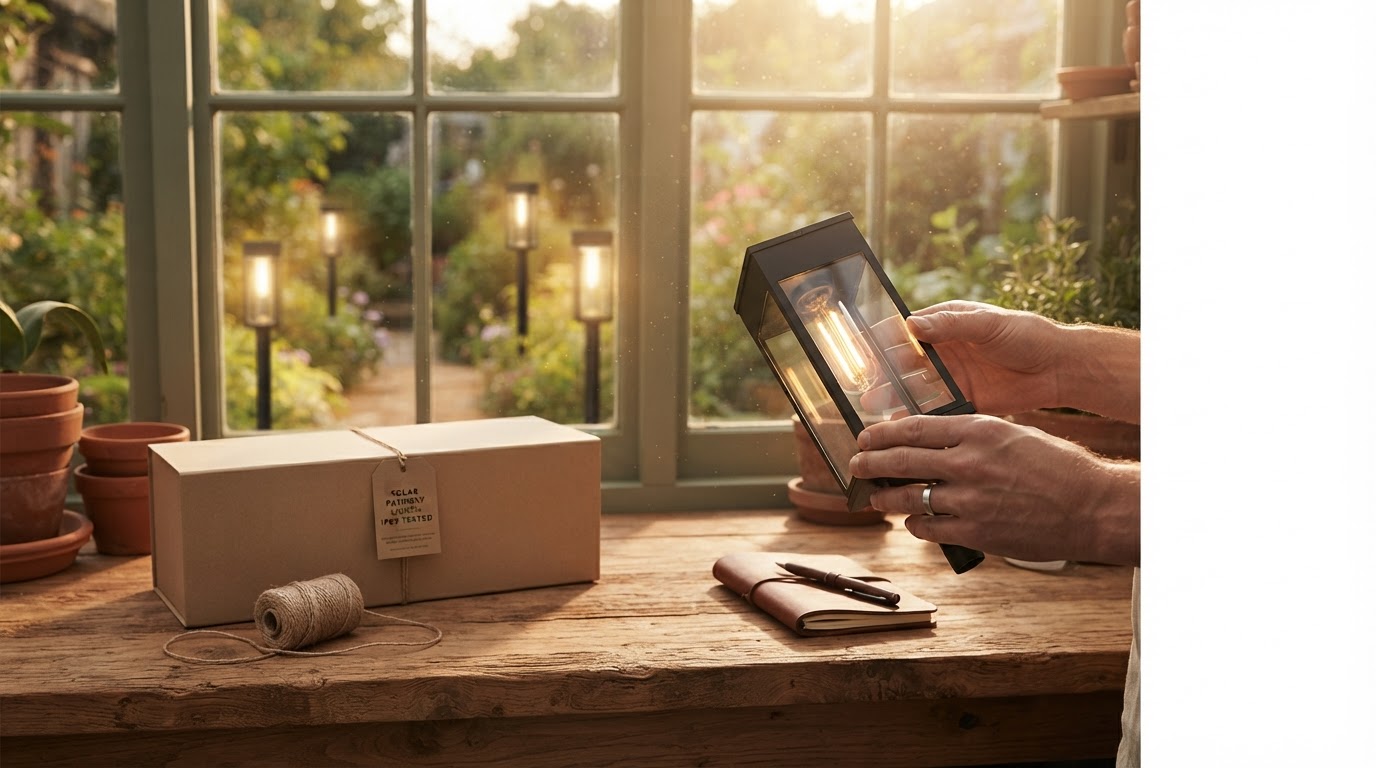
Are Waterproof Solar Garden Pathway Lights truly reliable?
 Maya ChenContributing Editor
October 14, 2026 — Waterproof Solar Garden Pathway Lights with Automatic On And Off provide consistent dusk-to-dawn illumination provided they maintain a strict IP65 or higher seal against environmental moisture.
The conventional wisdom says that all solar lights marketed for outdoor use are inherently weatherproof, yet the high failure rate in coastal and high-precipitation zones suggests otherwise. Homeowners often prioritize lumen count over housing integrity, leading to internal corrosion long before the LED lifespan is reached. Understanding the technical threshold of what constitutes "waterproof" in a garden setting is essential for long-term utility.
How does moisture affect solar light performance?
Moisture ingress is the primary cause of circuit failure in solar pathway lighting, regardless of the brand's marketing claims. While many entry-level units rely on simple rubber gaskets, professional-grade systems like those from Hoselink USA are verified as 100% waterproof and weather-resistant, though they explicitly state units should not be submerged. Run the math: a light that survives a light drizzle but fails during a saturated winter storm costs more in replacement cycles than a high-durability unit. Internal condensation often occurs when thermal expansion during the day draws in humid air, which then traps moisture against the battery terminals at night. This is why weatherproof solar stake lights comparison often reveals that housing material—specifically UV-resistant ABS or treated stainless steel—is more critical than the solar panel size itself. Without a vacuum seal or specialized venting, the "automatic on and off" sensors eventually flicker or fail due to oxidation on the photo-resistor leads.
Can these lights survive high-precipitation environments?
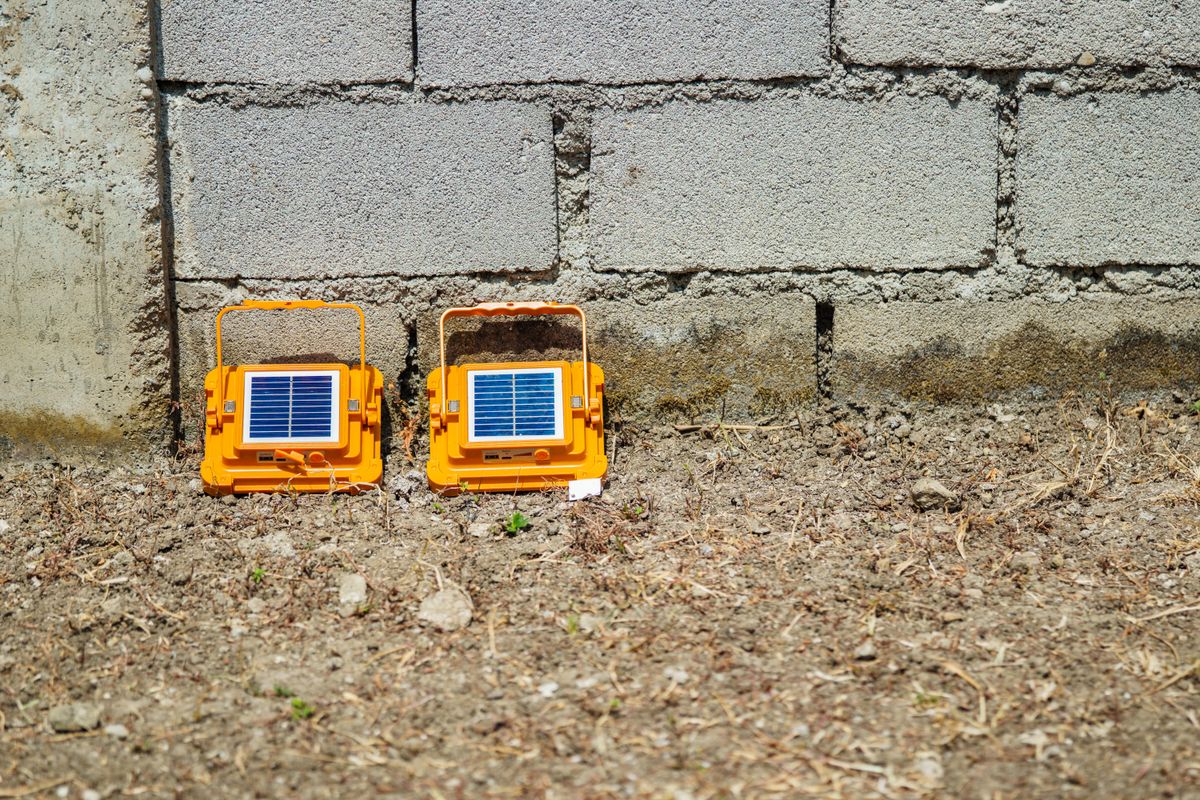
Photo by Nothing Ahead on Pexels
Waterproof Solar Garden Pathway Lights with Automatic On And Off can survive heavy rain, but their reliability is tethered to the quality of the dusk-to-dawn sensor's housing. Here’s the part nobody talks about: the sensor that triggers the automatic function is often the most vulnerable point of entry for water. According to data from VOLT® Lighting, high-quality solar path lights can achieve a full recharge in just 5.5 hours of direct sunlight and provide 8 hours of light, but this assumes the internal circuitry remains dry. If the seal fails, the charging cycle is interrupted by parasitic draws from moisture-induced short circuits. For those in northern latitudes, waterproof solar garden pathway lights winter performance becomes the ultimate stress test for these seals. Proper solar garden lighting for winter climates requires ensuring that snow melt does not sit against the seams of the light housing for extended periods. I’ll change my mind when manufacturers start providing standardized ingress protection (IP) test results for the sensor housing specifically, rather than just the outer casing.
Quick answers
Q: What is the average recharge time for these solar lights? A: Most high-efficiency units, such as those cited by VOLT® Lighting, require approximately 5.5 hours of direct sunlight to reach a state where they can provide 8 hours of illumination.
Q: Are these lights safe to leave out during a flood? A: No, even units rated as 100% waterproof by brands like Hoselink USA are not designed for submersion; they are intended for rain and spray resistance only.
Q: How bright are the automatic dusk-to-dawn sensors? A: While light output varies, heavy-duty solar street lights can reach up to 6000LM, though standard garden pathway lights typically operate at a much lower lumen count to preserve battery life through the night.
Learn more about Waterproof Solar Garden Pathway Lights with Automatic On And Off at https://gardenpathwaylights.com.
Sources
Photo by Ant Armada on Pexels
- Solar Lights - Solar Powered Outdoor Lights | VOLT® Lighting
- Outdoor Solar Outlet: LED Solar Lights | Solar Street Lights
- Outdoor Lighting | String Lights, Lanterns + Pathway Lighting - Terrain