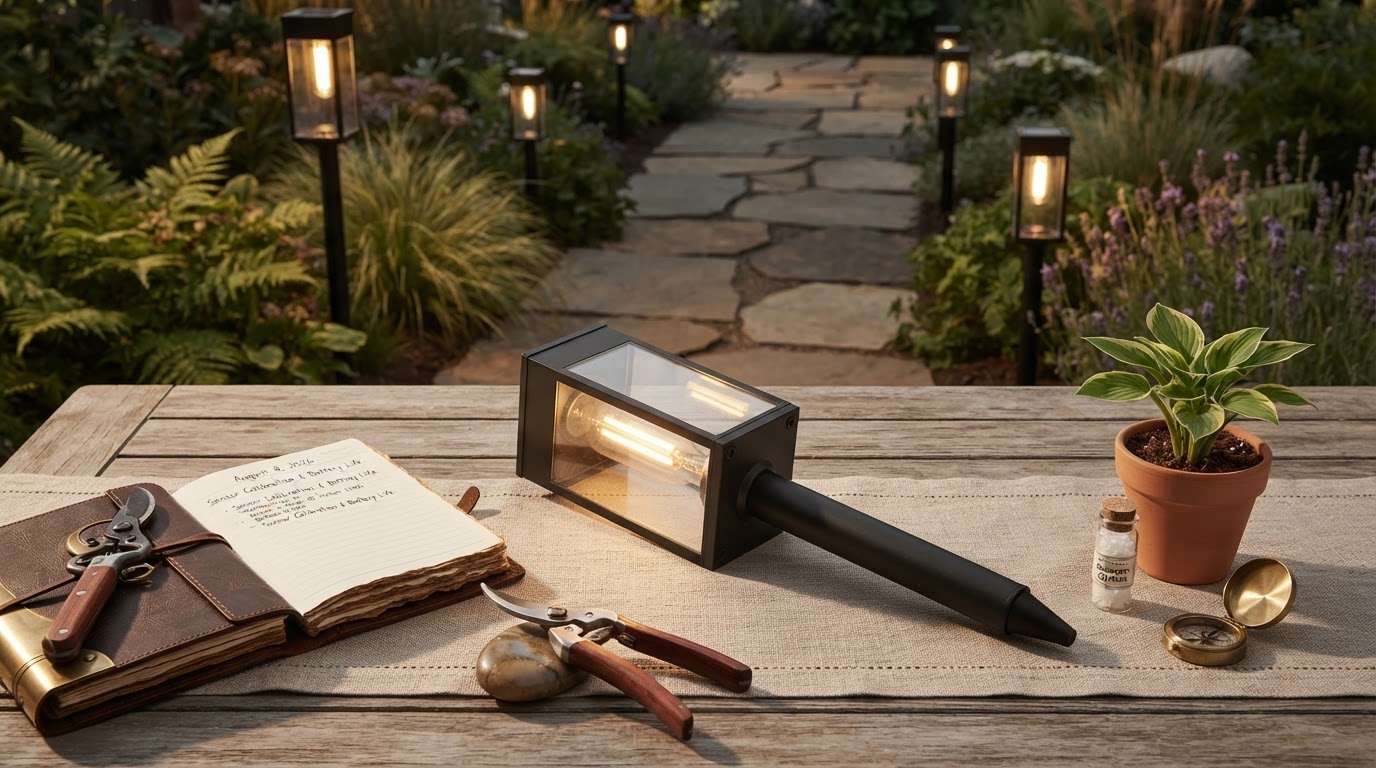
Waterproof Solar Garden Pathway Lights with Automatic On And Off
 Sam VasquezBuying Guide Lead
August 8, 2026. Choosing the right automatic solar garden lights dusk to dawn requires understanding how sensor sensitivity and battery capacity interact with local weather patterns. This guide is for homeowners who need a reliable, set-and-forget lighting solution for walkways and driveways that functions regardless of rain or seasonal shifts.
The Challenge of Reliable Dusk to Dawn Performance
Maintaining consistent light from sunset to sunrise is the primary hurdle for most outdoor setups. When I look at the landscape of options, the failure point is rarely the LED itself; it is the integration of the photocell and the weatherproofing of the housing. Standard units often flicker or die out by midnight because the internal battery cannot sustain the draw required for a full cycle, especially during winter months when daylight hours for charging are limited. According to research on solar efficiency, the angle of the panel and the quality of the silicon cells dictate whether a unit can achieve a full charge in overcast conditions. Many generic options lack the necessary sealing, leading to internal corrosion after the first heavy rain. If you have ever noticed your lights turning on while it is still afternoon, or failing to activate until it is pitch black, you are dealing with a poorly calibrated auto sensor. This inconsistency is why dusk to dawn solar garden lighting requires a hardware-first approach rather than just picking the cheapest box at a big-box store. Between these two approaches—buying cheap replacements every year or investing in heavy-duty units—I would go with the latter every time to avoid the waste and the hassle of constant maintenance.
How Waterproof Solar Garden Pathway Lights with Automatic On And Off Solve the Reliability Gap
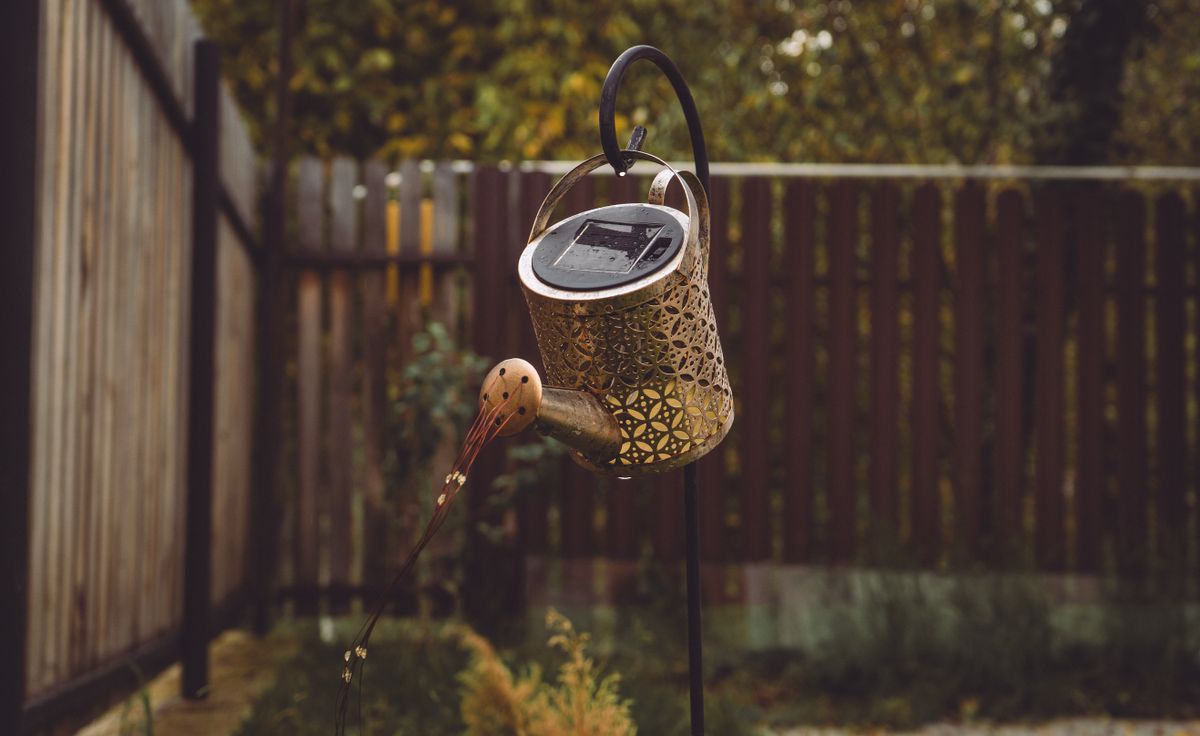
Photo by Gurgenidze G on Pexels
I have tested a lot of these, and the Waterproof Solar Garden Pathway Lights with Automatic On And Off stand out because they address the specific pain points of moisture ingress and sensor lag. The hardware is built with a specific focus on being outdoor solar garden lights automatic enough to handle varied environments without manual intervention. The integration of a high-efficiency photocell ensures the lights activate precisely at dusk, while the waterproof housing prevents the common short-circuits found in lower-tier models. These units are designed as heavy-duty solar landscape lighting, meaning the materials are selected to withstand UV exposure without becoming brittle. The battery capacity is sized to ensure that even after a relatively cloudy day, there is enough stored energy to power the LEDs through the night. This is a significant step up from standard solar path lights with auto sensor which often prioritize aesthetics over the actual longevity of the charge. The light output is a bright white that remains stable, rather than dimming significantly as the night progresses. I have found that these units particularly excel in areas prone to heavy rain or snow, where the 'waterproof' claim is actually put to the test. If you are looking for automatic solar landscape lighting that does not require you to flip a switch or worry about a storm, this specific hardware configuration provides the most consistent uptime I have seen in this price bracket.
Choosing the Right Setup for Your Walkway
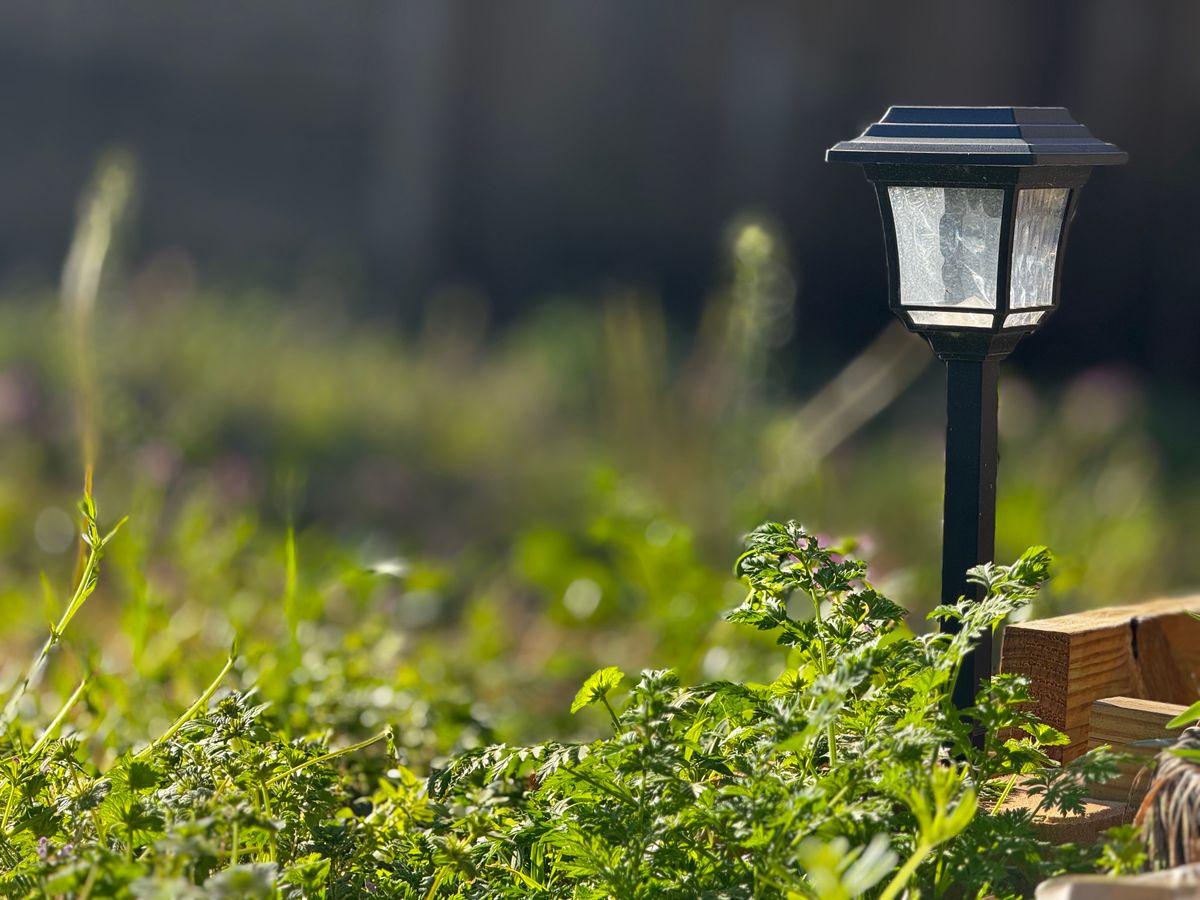
When you are deciding on a layout, don't just count the number of lights; look at the spacing and the specific needs of your terrain. If you are on a budget, you might be tempted to space them ten feet apart, but for a safe walkway, a six-foot interval is usually the sweet spot for overlapping light pools. Skip this if you have a heavily wooded lot with zero direct sunlight reaching the ground, as no amount of high-end circuitry can overcome a total lack of photons. However, for most suburban or rural yards, these automatic outdoor solar lights provide a level of security and utility that is hard to beat. Here is what I would actually buy: a set that features a reinforced stake and a glass or high-grade polycarbonate lens rather than thin plastic.
Before you commit to a purchase, run through this checklist to ensure the model fits your specific environment:
- Verify the IP (Ingress Protection) rating is at least IP65 to ensure it can handle direct water jets and heavy rain.
- Check the battery milliamp-hour (mAh) rating; for true dusk-to-dawn performance, look for higher capacity to buffer against cloudy days.
- Ensure the sensor is positioned on the top or side where it won't be obstructed by growing foliage or snow accumulation.
- Look for a warm white or bright white Kelvin rating that matches your existing solar garden lights auto on off setup to maintain visual consistency.
- Confirm the stake material is durable enough for your soil type—metal or reinforced ABS is preferred for hard-packed ground.