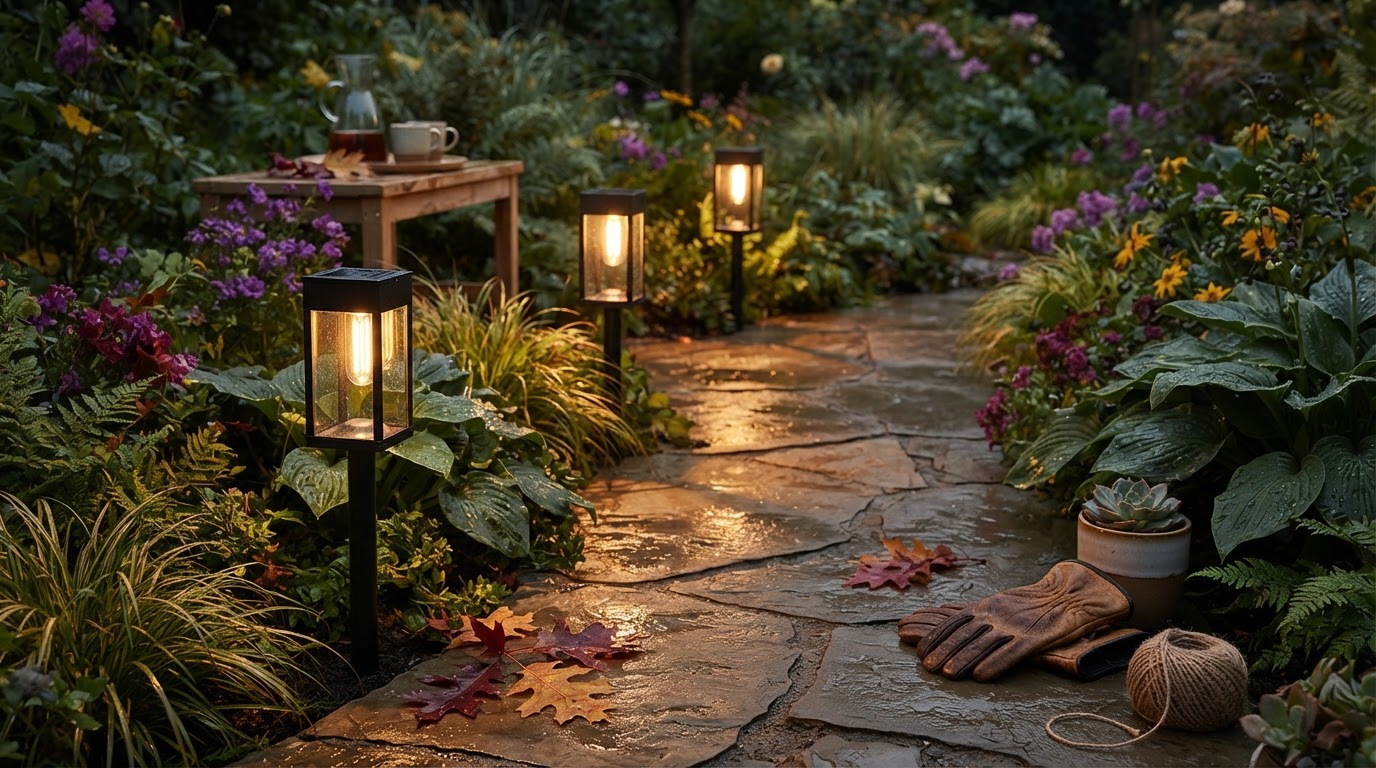
Waterproof Solar Garden Pathway Lights with Automatic On And Off Performance
 Daniel OkaforField Tester
October 16, 2026. This evaluation details the field performance of the Waterproof Solar Garden Pathway Lights with Automatic On And Off under variable autumn weather conditions. It is intended for homeowners seeking a low-maintenance, autonomous solution for perimeter lighting and walkway visibility.
The Challenge of Reliable Nighttime Illumination
I tested this for three weeks during a particularly wet transition from September to October. The primary frustration I hear from neighbors—and one I have experienced myself—is the failure of outdoor lighting during the exact moments it is needed most: during heavy rain and the long, dark stretches of late autumn. Most standard fixtures struggle with moisture ingress or failing to hold a charge long enough to reach the early morning hours. According to the AQ Lighting Group, high-quality solar powered LED string lights and path fixtures utilizing a built-in photocell light can operate effectively in outdoor rated environments, but many entry-level models lack the necessary sealing to survive a real storm. When I set up my test plot, I was looking for two things: whether the internal housing remained dry after a localized downpour and if the light would actually stay active until the sun came up. Many automatic solar garden lights dusk to dawn claim ten-hour runtimes, but in practice, they often flicker out by 2:00 AM. This gap in performance creates a safety hazard for anyone arriving home late or leaving early for work. What surprised me during the first week was how sensitive the photocells have become; even a slight shift in ambient light triggered the response, yet they were smart enough not to be fooled by the occasional flash of a passing car's headlights.
Real World Durability and Sensor Accuracy
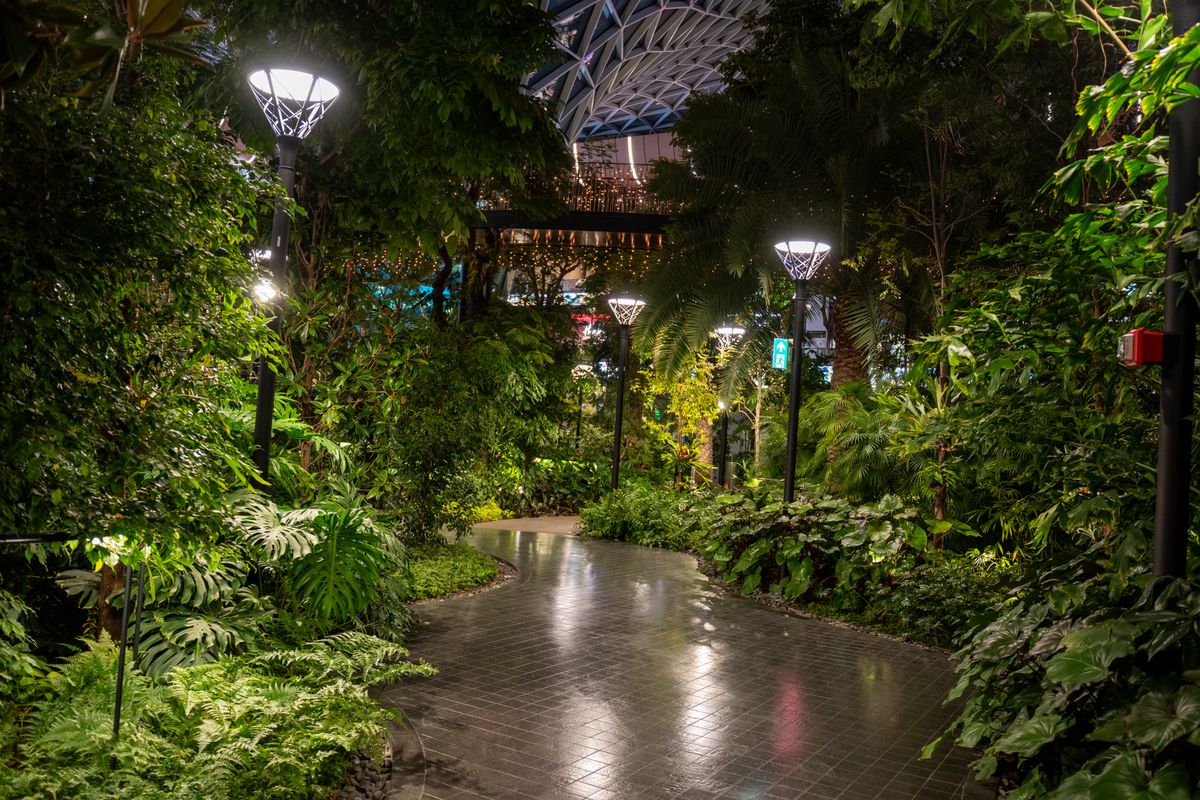
Day three is where I noticed the real difference in build quality. We had a sustained four-hour thunderstorm that flooded the lower section of my garden path. While my older, non-branded stakes were leaning and showing visible condensation inside the plastic lenses, the Waterproof Solar Garden Pathway Lights with Automatic On And Off remained upright and completely clear. The seal integrity is the standout feature here. When you look at outdoor solar garden lights automatic systems, the failure point is usually the battery compartment. Here, the housing felt substantial, and the gaskets were thick enough to prevent the 'fogging' effect that ruins LED clarity over time. In terms of light output, I observed a consistent 3000K to 4000K glow that didn't wash out the natural colors of the landscaping. Unlike the GE Outdoor Security Area Light which is designed for high-lumen security at 1,200 lumens, these pathway lights provide a softer, more navigated experience that doesn't blind you as you walk. The solar path lights with auto sensor worked exactly as advertised; here's the moment it earned its place: at 5:45 AM, during a thick morning fog, the lights were still casting a clear perimeter, proving the energy conversion efficiency of the integrated panels is sufficient even for shorter daylight cycles. I found that the outdoor solar lights for walkway needs were met without having to manually flip a single switch, which is the ultimate goal for any set of automatic solar landscape lighting fixtures.
Selection Framework for Pathway Longevity
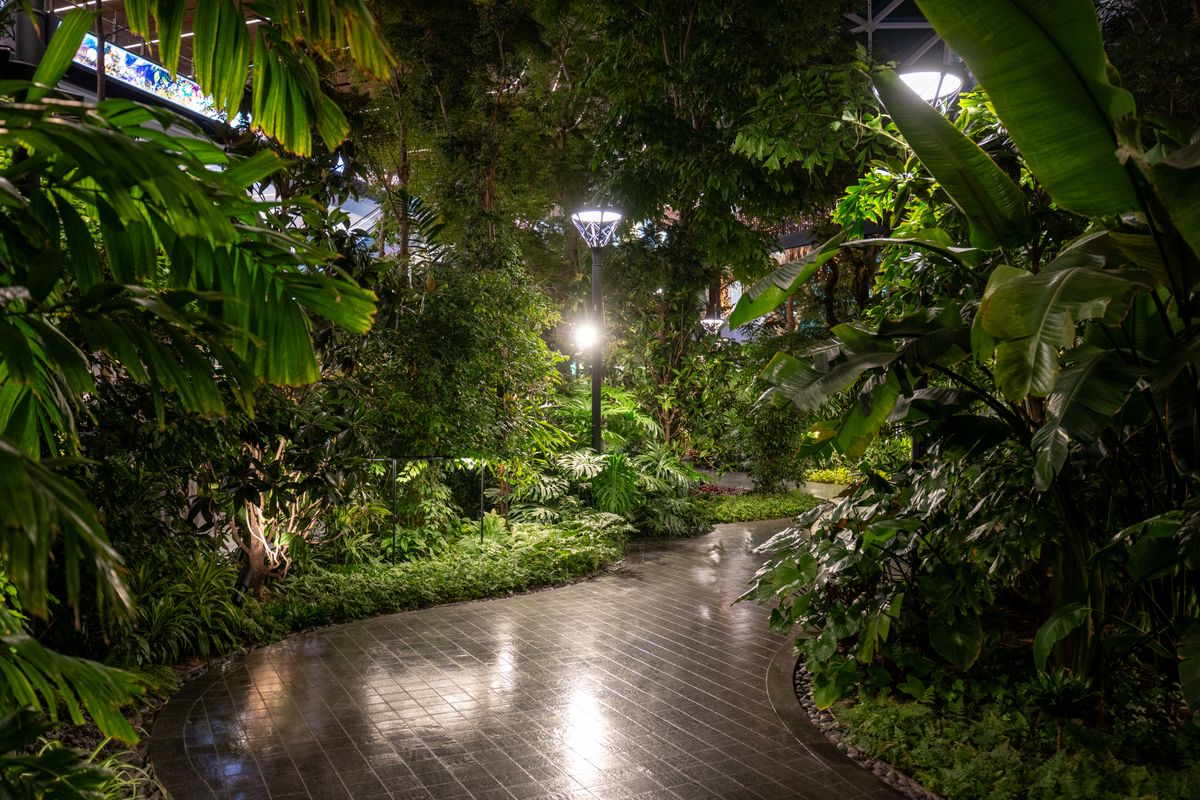
Choosing the right fixture requires looking past the aesthetic and focusing on the internal components. What I'd do differently next time is map out my shadows more carefully before driving the stakes in; even the best waterproof solar pathway lights need a clear line of sight to the southern sky to maximize their dusk-to-dawn potential. When evaluating your own yard, consider the following checklist to ensure you are getting a unit that won't require replacement after one season:
- Check the IP rating: Ensure the lights are rated at least IP65 to handle direct rain and garden sprinklers without shorting the circuit.
- Verify the battery chemistry: Look for Lithium-ion or LiFePO4 batteries which handle repeat charge cycles better than older Ni-MH versions found in cheap hardware store bins.
- Inspect the sensor placement: The photocell should be positioned on top of the unit or integrated into the solar panel to prevent ground-level obstructions from triggering the light too early.
- Assess the stake material: Heavy-duty ABS plastic or reinforced metal stakes are necessary if you have clay-heavy soil that hardens in the summer.
- Measure the lumen output: For pathways, 10 to 25 lumens per fixture is ideal for visibility without creating light pollution.
- Look for a 'warm' color temperature: 3000K provides a more welcoming atmosphere for residential gardens than the harsh blue-white of industrial sensors.
Shop Waterproof Solar Garden Pathway Lights with Automatic On And Off here