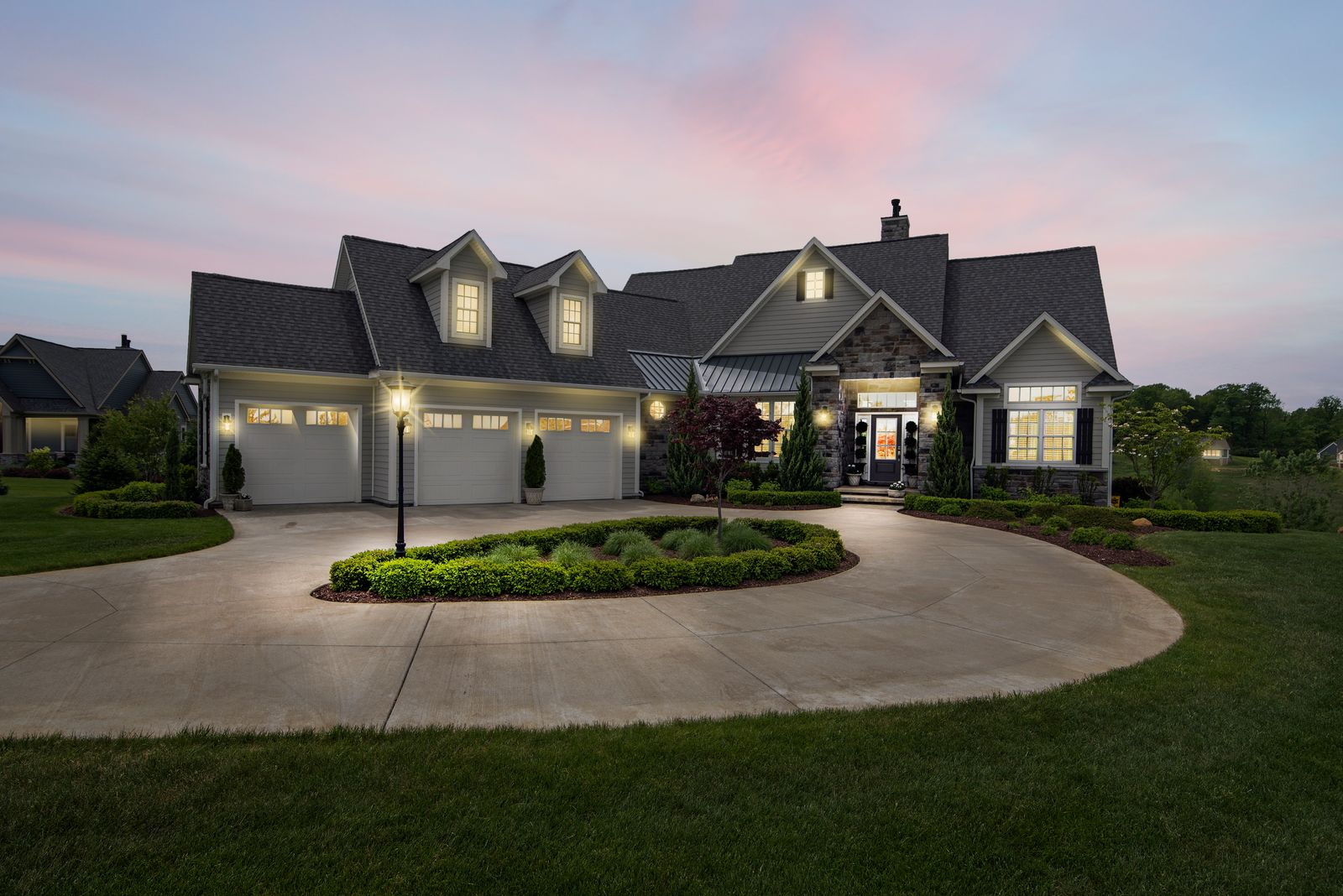
Top FAQs About Automatic Dusk-to-Dawn Solar Lights for Home Pathway Safety
Navigating a pitch-black walkway after sunset is a challenge no homeowner enjoys. Beyond the immediate danger of tripping over loose pavement or steps, poorly lit exteriors leave dark corners around your home that invite unwanted visitors. Traditional landscape lighting often requires complex wiring, manual switching, or rigid timer configurations that fail as the seasons change.
That is where automatic solar pathway lighting shines. By harnessing solar energy during the day and automatically turning on when darkness falls, modern solar lights offer a smart, eco-friendly, and cost-effective upgrade to your home’s exterior. In this guide, we explore the primary automatic solar pathway lights security benefits, answer the most common questions about dusk-to-dawn safety, and share tips on choosing and positioning your lights for maximum protection.
---
How Do Automatic Dusk-to-Dawn Solar Pathway Lights Enhance Home Security?
Home security is not just about alarm systems and video cameras; landscape lighting serves as your home's first line of defense. Automatic dusk-to-dawn outdoor lighting security creates a clear visual border around your property while keeping every step safely visible.
Eliminating Dark Zones and Tripping Hazards
Walkways, garden steps, side yards, and driveway edges often suffer from poor illumination. When night falls, these areas turn into tripping hazards for family members, guests, and delivery drivers. Automatic solar lights provide reliable, continuous glow across your landscape, illuminating uneven ground and steps instantly.
Because automatic lights require no manual flips or complex programming, you never have to worry about coming home to a pitch-black entryway. As soon as natural light fades, your lights turn on, offering instant visibility and peace of mind.
Deterring Unwanted Visitors with Consistent Illumination
Darkness offers cover for intruders and trespassers looking for unmonitored entry points. A well-lit path creates an immediate visual deterrent by eliminating blind spots around doors, windows, and perimeter paths.
Crime prevention research consistently highlights that bright, predictable exterior lighting deters opportunistic crime. Unlike traditional lights that homeowners might forget to switch on, automatic solar lights maintain consistent illumination every single night without raising your monthly electricity costs.
Top 5 Safety Benefits of Installing Automatic Dusk-to-Dawn Solar Pathway Lights
---
Automatic Solar Lights vs. Manual Hardwired Lights: Security & Convenience Comparison
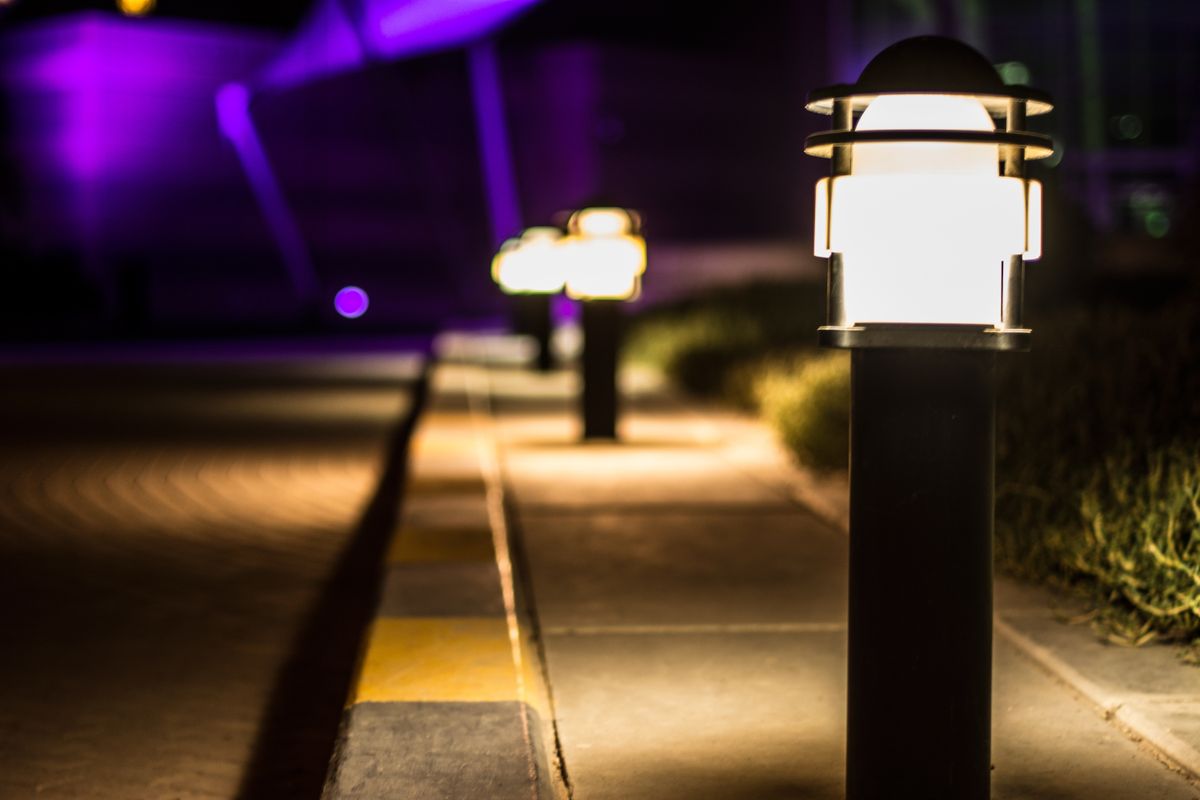
| Feature | Automatic Solar Pathway Lights | Manual / Hardwired Outdoor Lights | | :--- | :--- | :--- | | Energy Source | Clean Solar Energy (0% electric bill impact) | Grid Electricity (Increases monthly energy costs) | | Activation Method | Automatic Photocell Sensor (Dusk-to-dawn) | Manual Switch, Smart Switch, or Mechanical Timer | | Seasonal Adjustments | Auto-adjusts naturally as sunset times shift | Requires periodic manual timer resetting | | Installation Effort | Quick stake ground installation; zero wires | Trenching, conduit running, and high voltage wiring | | Blackout Reliability | Operates continuously during power outages | Goes dark unless backed up by a generator |
For homeowners looking to secure their property without complicated electrical work, choosing a multi-pack solution like our Waterproof Solar Garden Pathway Lights with Automatic On and Off ensures complete, effortless walkway coverage.
---
Frequently Asked Questions: Automatic Solar Pathway Lights & Safety
Do solar pathway lights stay illuminated all night?
Yes, high-quality solar pathway lights equipped with efficient solar panels and high-capacity rechargeable batteries absorb enough solar energy during standard daylight hours to remain illuminated from dusk until dawn. Choosing lights designed with modern LED chips ensures lower energy consumption and sustained brightness throughout the entire night.
How do dusk-to-dawn sensors automatically detect light level changes?
Automatic solar pathway lights feature an integrated photo-resistor or photocell sensor. This electronic sensor measures ambient ambient light levels in real time. When daylight decreases below a designated lux threshold at sunset, the sensor completes the internal circuit to activate the LED light. When daylight returns at sunrise, the sensor breaks the circuit, turning the light off and switching the unit back into solar charging mode.
Are solar lights bright enough to act as a security deterrent?
Modern solar pathway lights generate clean, focused lumens engineered specifically to illuminate garden walks, perimeter walls, and entry walkways. While security floodlights illuminate large areas with harsh glare, solar pathway lights offer continuous, warm ground coverage that eliminates dangerous shadow gaps. This clear visual barrier deters unwanted visitors while creating a welcoming environment for your family.
What happens to solar pathway security during overcast or winter days?
Modern photovoltaic cells recharge even under indirect sunlight. While cloudy days or winter weather may slightly reduce peak energy storage compared to mid-summer days, quality solar pathway lights retain sufficient reserve capacity to provide illumination through the evening. For tips on managing seasonal performance, explore our dusk-to-dawn light troubleshooting) guide.
---
Key Features for Max Security: Waterproofing and Automated Sensors
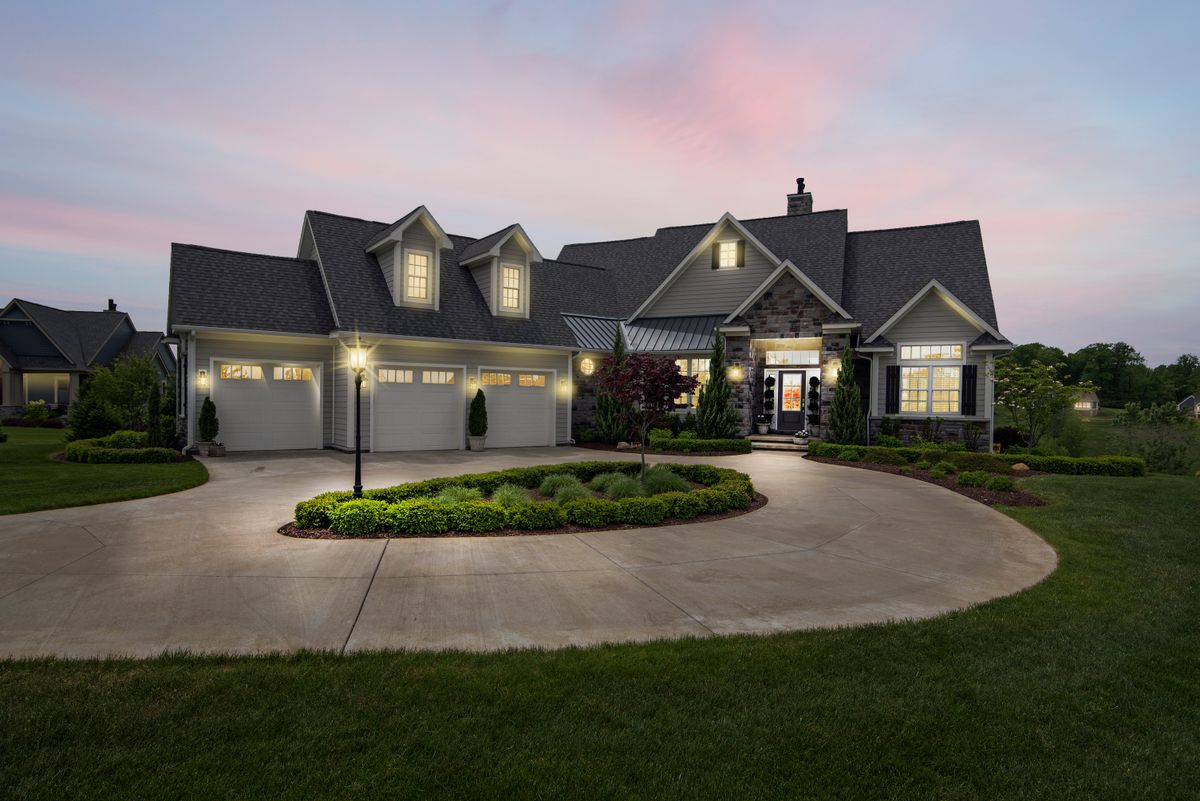
Not all outdoor pathway lights deliver reliable long-term security. To maintain uninterrupted night safety, focus on two essential engineering features: robust weatherproofing and responsive automated sensors.
Why Waterproofing Matters for Year-Round Security
Outdoor lights face constant exposure to heavy rain, snow, dew, and garden sprinklers. If water penetrates the casing, internal batteries corrode and photocell sensors fail, leaving your pathways dark when you need security most.
High-grade waterproof construction isolates internal wiring and battery compartments from humidity and rain. Investing in weatherproof fixtures ensures that heavy storms won't disrupt your outdoor security lighting. For deep insights on selecting weather-tested fixtures, check out our waterproof outdoor solar light guide.
The Convenience of Automatic On/Off Functionality
Mechanical light timers frequently fall out of sync as daylight hours change across spring, summer, fall, and winter. An automated photocell sensor solves this problem by reacting strictly to natural light levels rather than strict clock times.
This automatic pathway lighting benefit guarantees your garden pathways are lit early on rainy winter evenings and later during mid-summer twilights—all without manual adjustments.
To explore more design features before purchasing, browse our complete dusk-to-dawn buying guide.
---
Best Practices for Positioning Pathway Lights for Optimal Safety
Proper placement makes all the difference when converting basic garden lights into an effective outdoor security solution.
``` [ Front Door Entry ] | \ | \ <-- (Overlapping 3-5 ft illumination pools) ( ) ( ) | | ( ) ( ) | / | / [ Walkway Entrance ] ```
Mapping Walkways and Entry Points
Start by mapping key movement areas around your property:
- Main front walkways leading from driveways or streets
- Side yards connecting front and back gardens
- Raised patio steps, deck stairs, and garden doorways
- Unlit corners near trash storage or side garage doors
Balancing Spacing and Overlapping Light Beams
Placing lights too far apart creates dark gaps that disrupt visibility and compromise security. Conversely, spacing them too closely wastes light output.
- Standard Spacing: Position solar lights approximately 3 to 5 feet apart along main walking paths.
- Overlapping Beams: Ensure the outer edge of each light beam gently overlaps with the next fixture to create an uninterrupted pathway beam.
- Staggered Alignment: For wide garden walkways, stagger lights on alternating sides of the path to achieve balanced spatial depth and visual appeal.
Essential Installation Checklist for Dark Garden Paths
- [ ] Solar Exposure Check: Choose paths that receive direct daylight for at least 6 to 8 hours daily.
- [ ] Clear Ground Obstacles: Remove fallen leaves, overgrown branches, or lawn debris before staking.
- [ ] Softening the Soil: Water dry ground lightly before inserting stakes to prevent pole damage.
- [ ] Sensor Obstruction Test: Ensure nearby porch lights do not shine directly on auto-sensors, which can prevent them from activating at night.
- [ ] Multi-Pack Coverage: Install a full multi-pack set of Waterproof Solar Garden Pathway Lights with Automatic On and Off for uniform brightness across your entire garden.