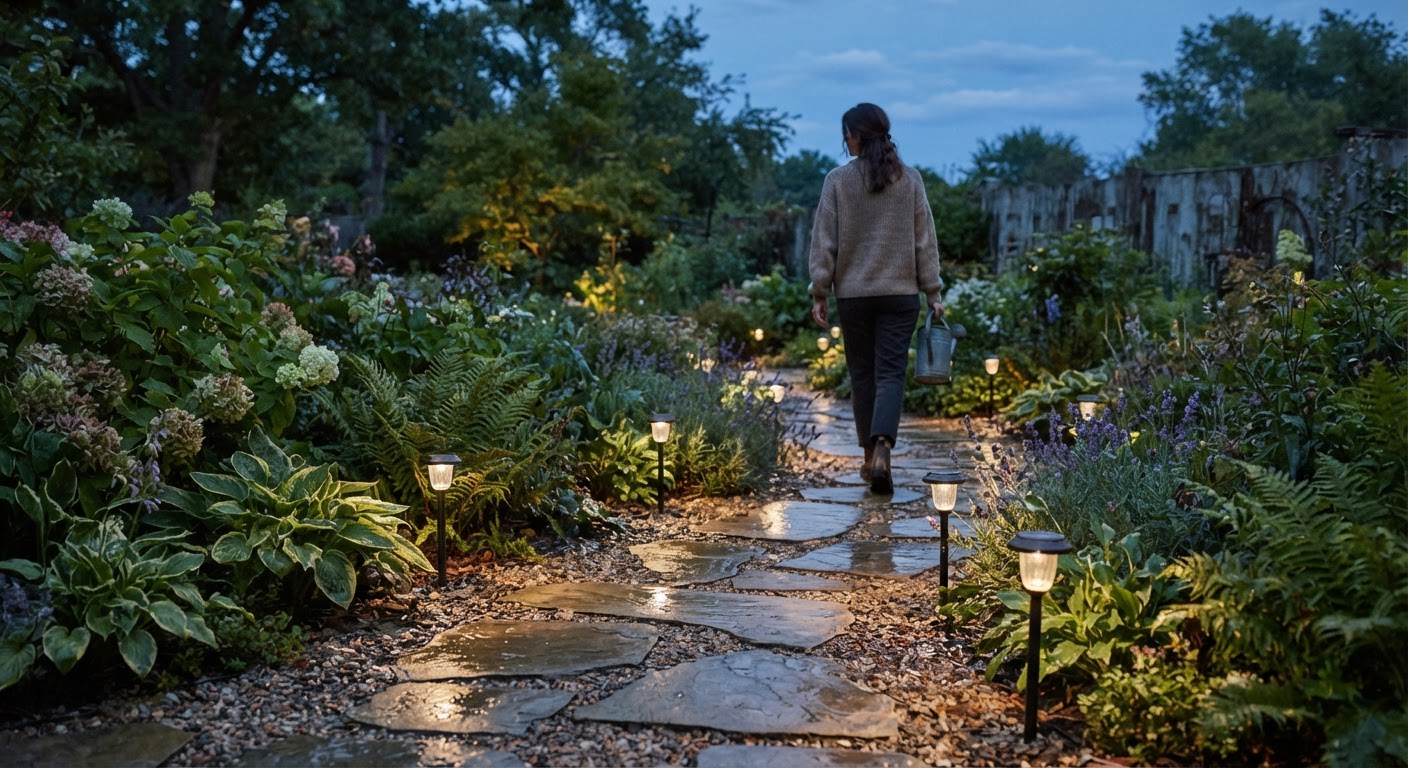
Understanding Color Temperature and Lumens for Outdoor Pathway Lighting
Lumens vs. Color Temperature: What Do They Mean?

When designing outdoor landscape lighting, homeowners often focus on fixture aesthetics while neglecting the technical properties of light output. Two crucial metrics dictate how your walkways look after dark: lumens (brightness) and color temperature measured in Kelvin (warmth or coolness).
In the main guide, we cover the foundations of path illumination. Here, we delve deeper into selecting the precise lighting specs for your landscape.
Finding the Sweet Spot for Pathway Brightness
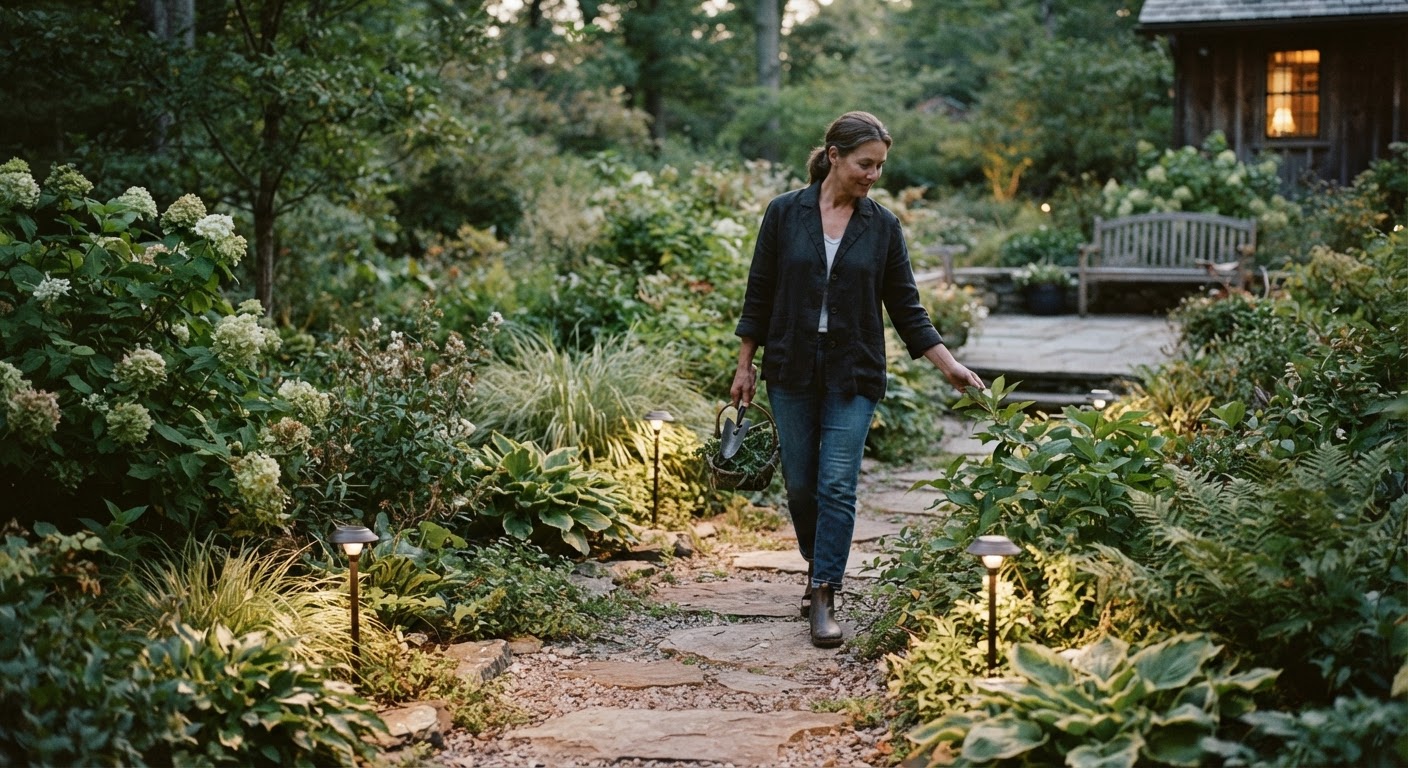
High-wattage floodlights belong near driveways or security zones, not along residential garden paths. Overly bright fixtures cause blinding glare that makes walking uncomfortable. For guiding foot traffic along walkways, a gentle output of 10-15 lumens per fixture provides sufficient visibility while preserving a tranquil nighttime ambiance.
Why 3000K Warm White is Best for Gardens
Color temperature drastically influences how plant foliage, stone pavers, and architectural features appear at night:
- Cool White (5000K+): Emits a bluish tint that can look sterile and clinical outdoors.
- Warm White (3000K): Delivers a soft, golden glow that enhances green leaves, earth tones, and brickwork naturally.
Applying These Specs to Your Landscape
To achieve efficient lighting, choose self-powered fixtures. Fixtures built with ABS Plastic housings and solar panel wattage of 0.2W - 0.5W easily harvest enough ambient daylight during charging hours of 6-8 hours to supply battery run time hours of 8-10 hours every evening. Coupled with an LED lifespan hours rating of 50,000 hours, soft warm lighting becomes a durable, set-and-forget enhancement.
Read the full guide: The Complete Guide on How to Illuminate Garden Pathways at Night