How Many Lumens Do You Need for Solar Pathway Lights? Brightness & Spacing Guide
How many lumens do solar pathway lights need to keep your family safe at night? Most residential walkways require 15 to 30 lumens per stake, placed 6 to 8 feet apart. This brightness level provides clear ground visibility for tripping hazards without blinding glare, while allowing waterproof solar batteries to run reliably from dusk until dawn.
Solar Pathway Brightness & Spacing Calculator
Use this interactive calculation tool to determine the exact number of solar stakes and lumen intensity required for your specific outdoor pathway footprint.
Lumen Output vs. Outdoor Application Benchmarks
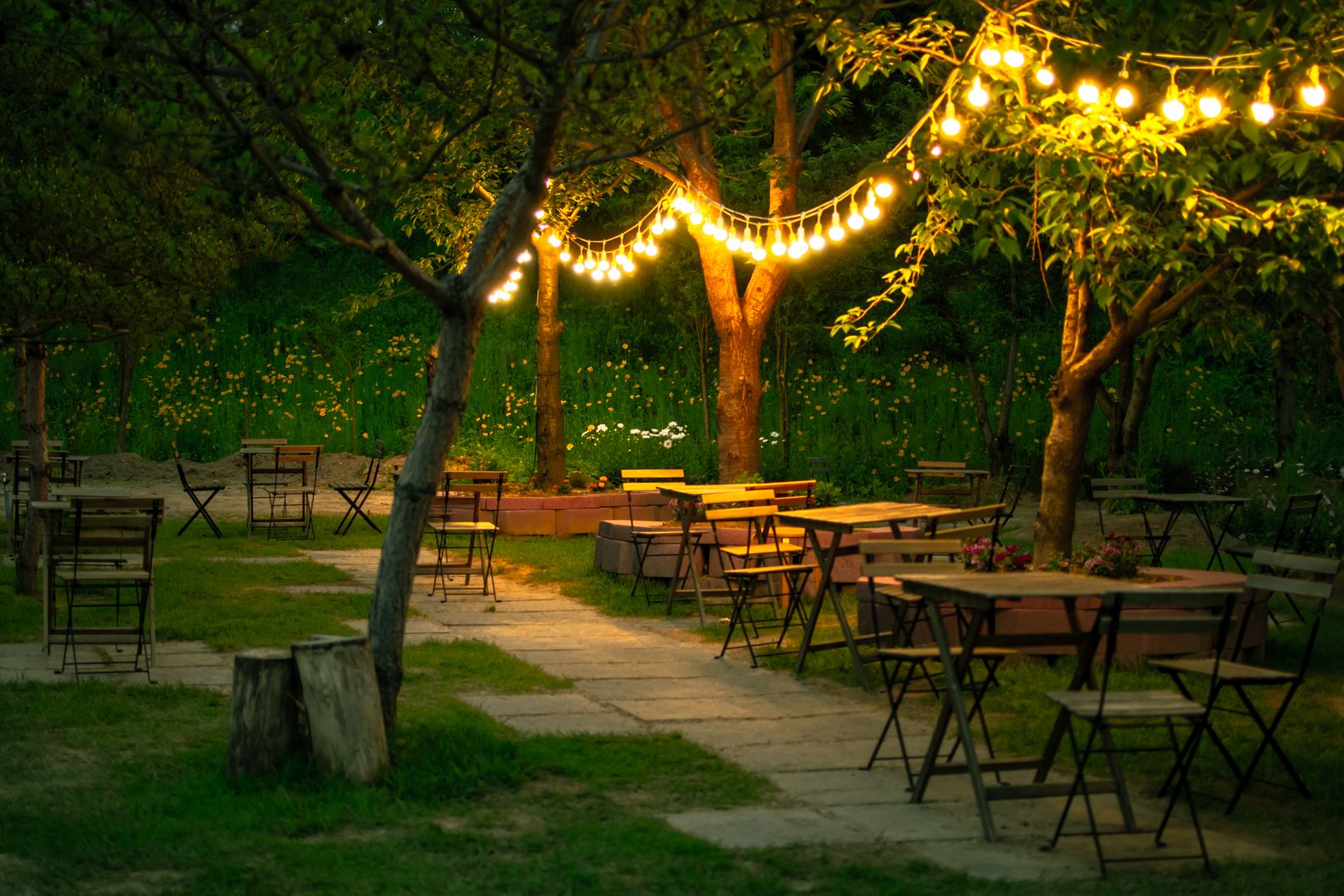
Photo by Constantine Kim on Pexels
| Scenario / Location | Target Lumens | Fixture Spacing | Battery Discharge Rate | Best Application |
| --- | --- | --- | --- | --- |
| Decorative Garden Border | 5 - 10 Lumens | 4 - 5 Feet | Low (10+ hours runtime) | Highlighting flowerbed contours without illuminating footpaths. |
| Standard Lawn Walkway | 15 - 30 Lumens | 6 - 8 Feet | Balanced (8 - 10 hours runtime) | Main entry pathways, front yard walkways, and side paths. |
| Hazardous Steps & Elevation Changes | 50 - 100 Lumens | 3 - 5 Feet | High (6 - 8 hours runtime) | Stairs, abrupt elevation drops, and unlit deck edges. |
| Driveway & Vehicle Perimeter | 40 - 80 Lumens | 8 - 10 Feet | Moderate-High (7 - 9 hours runtime) | Guiding vehicles along unlit driveway curves and stone paths. |
Match your walkway conditions against these lumen tiers to avoid dim ground shadows or early battery discharge.
Top Recommendation: The All-Around Walkway Standard
For 90% of residential yard layouts, 20-30 lumen waterproof solar stakes with integrated light sensors provide the ideal balance of brightness and night-long battery persistence. We recommend choosing a pack designed with IP65 weather sealing and automatic dusk-to-dawn sensors for hassle-free performance in any weather.
Landscape Designer Insight: Avoiding Glare and Runway Effect
Avoid lining pathway stakes directly opposite each other in parallel lines—this creates an unappealing 'airport runway' effect. Staggering fixtures 6 to 8 feet apart on alternating sides casts soft, overlapping pools of light that illuminate ground texture without harsh line-of-sight glare.
Choosing Your Brightness Level: Trade-offs & Alternatives
Standard residential walkways perform best with 15-30 lumens per stake spaced 6-8 feet apart. High-risk zones like steps need 50+ lumens, while garden borders only need 5-10 lumens.
Best choice for
- 15-30 Lumens per light — Provides sufficient ground coverage to see obstacles clearly without overwhelming night vision or draining the battery before morning.
- 50-100 Lumens per light — Delivers high visual contrast needed to prevent tripping hazards and guide vehicle tires safely.
- 5-10 Lumens per light — Offers soft background accent lighting that highlights plants without drawing focus away from primary architectural features.
- Avoid lights under 10 lumens for main entry pathways where tripping hazards exist.
- Avoid 100+ lumen fixtures in small yards, as unshielded high output causes uncomfortable eye glare at ground level.
- Avoid high-lumen solar fixtures in shaded northern paths without high-capacity batteries, as battery exhaustion occurs rapidly.
- Dual-Brightness Mode Solar Lights (15 lm low / 50 lm motion) — Extends runtime on winter nights while still providing high output when foot traffic is detected.
- Low-Voltage Hardwired LED Lighting — Best if pathway is perpetually in deep shade and solar panel charging is unfeasible.
Recommended Waterproof Solar Pathway Light Packs
Upgrade your landscape lighting with weather-sealed, automated solar stakes engineered for year-round reliability. Explore our top choice at gardenpathwaylights.com for durable, efficient pathway lighting.
Key Summary: Brightness Rules of Thumb
- 15-30 lumens per stake is the sweet spot for standard residential walkway illumination.
- Space fixtures 6 to 8 feet apart for even coverage without dark voids or excessive overlap.
- Higher lumens drain solar batteries faster; ensure fixtures have adequate solar panel exposure and IP65+ weather sealing.
- Stagger lights on alternating sides of the path to avoid a harsh 'airport runway' look.
Visualizing Light Spread & Spacing Distance
This top-down diagram illustrates how light beam angles create seamless illumination when spaced correctly.
Common Lighting Pitfalls: Why Too Dim or Too Bright Fails
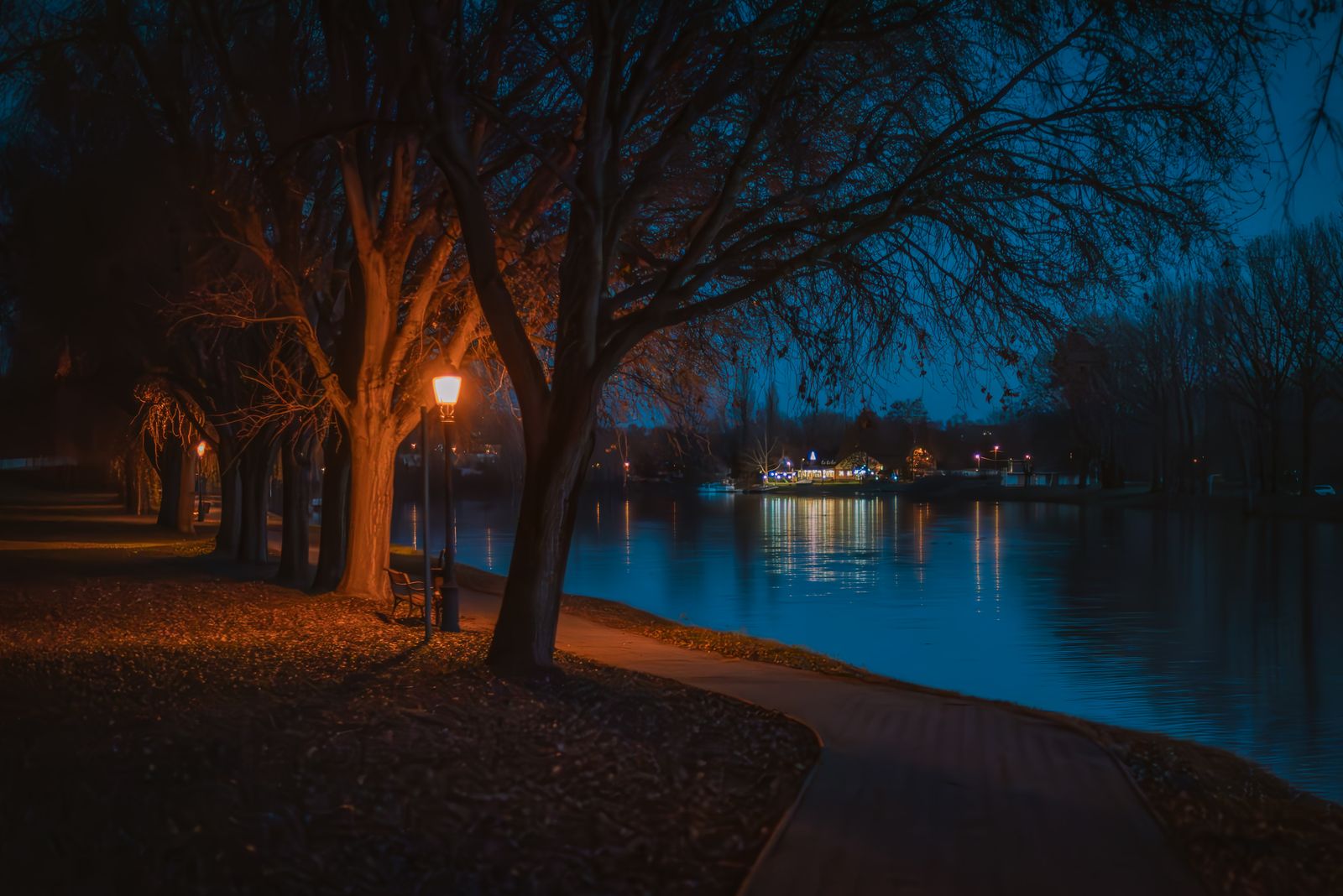
Photo by Barbara Batári on Pexels
Using 5-Lumen Decorative Lights on Main Entry Steps — Failure mode: 5 lumens creates faint accent glow but cannot illuminate step treads or garden hose tripping hazards. Upgrade to 50+ lumen targeted fixtures near stairs.
Installing Unshielded 100-Lumen Lights Along Narrow Walkways — Failure mode: High lumen output without diffusers causes severe night-vision blinding glare and fully drains the battery within 3 hours. Use 20-30 lumen fixtures with top hoods.
Placing Lights 12 Feet Apart to Save Money — Failure mode: Creates severe pitch-black blackout gaps between light pools. Keep spacing within 6 to 8 feet for seamless ground illumination.
Understanding failure modes prevents wasted money and unsafe dark spots in your landscape.
Pathway Lighting Pre-Purchase Checklist
- [ ] Measure total pathway length in feet.
- [ ] Identify dark hazards (steps, roots, sharp curve edges).
- [ ] Verify daytime direct sunlight hours along the installation line (4-6 hours required).
- [ ] Choose targeted brightness: 15-30 lm for main path, 50+ lm for steps.
- [ ] Check waterproof rating (IP65 minimum recommended for ground stakes).
- [ ] Confirm automatic dusk-to-dawn sensors are included to save battery power.
Printable Landscape Lighting Quick Guide
- Standard Walkway Brightness: 15-30 lumens per fixture.
- Hazard & Step Brightness: 50-100 lumens per fixture.
- Optimal Spacing: 6-8 feet (staggered preferred).
- Minimum Solar Panel Exposure: 4-6 hours direct sunlight daily.
- Weather Proofing Target: IP65+ waterproof rating with corrosion-resistant stakes.
- Automated Operation: Dusk-to-dawn optical sensors for automatic on/off toggle.
Frequently Asked Questions About Solar Pathway Lumens
Does a higher lumen count drain the solar battery faster at night?
Yes. Higher brightness consumes more power in watt-hours. Without a larger solar panel and high-capacity battery, a 100-lumen light will shut off hours before dawn compared to a regulated 15-30 lumen light.
How far apart should I space 15-30 lumen solar pathway lights?
Space 15-30 lumen lights roughly 6 to 8 feet apart to ensure continuous ground illumination without harsh overlap or dark voids.
Why do my solar pathway lights look dimmer in the winter?
Shorter daylight hours and lower sun angles reduce daily solar panel recharge capacity, causing auto-dimming features or rapid battery depletion early in the night.
What IP waterproof rating do I need for high-exposure ground pathway lights?
Look for at least an IP65 waterproof rating to protect ground stakes from heavy rain, garden sprinklers, lawn care moisture, and dirt ingress.
Get fast answers to common technical questions about solar brightness, weatherproofing, and battery endurance.
Next Steps for Your Pathway Lighting Project
Your decision: Determine your pathway's hazard level and total linear footage.
Do this next: Use the spacing calculator to determine your total light count, then select a waterproof, auto-on/off 20-30 lumen pack.
Related resource: Download our Printable Pathway Lighting Spacing & Brightness Cheat Sheet.
Waterproof Solar Garden Pathway Lights with Automatic On and Off (Pack)
Take action today to transform your dark outdoor pathways into beautifully lit, secure walkways.