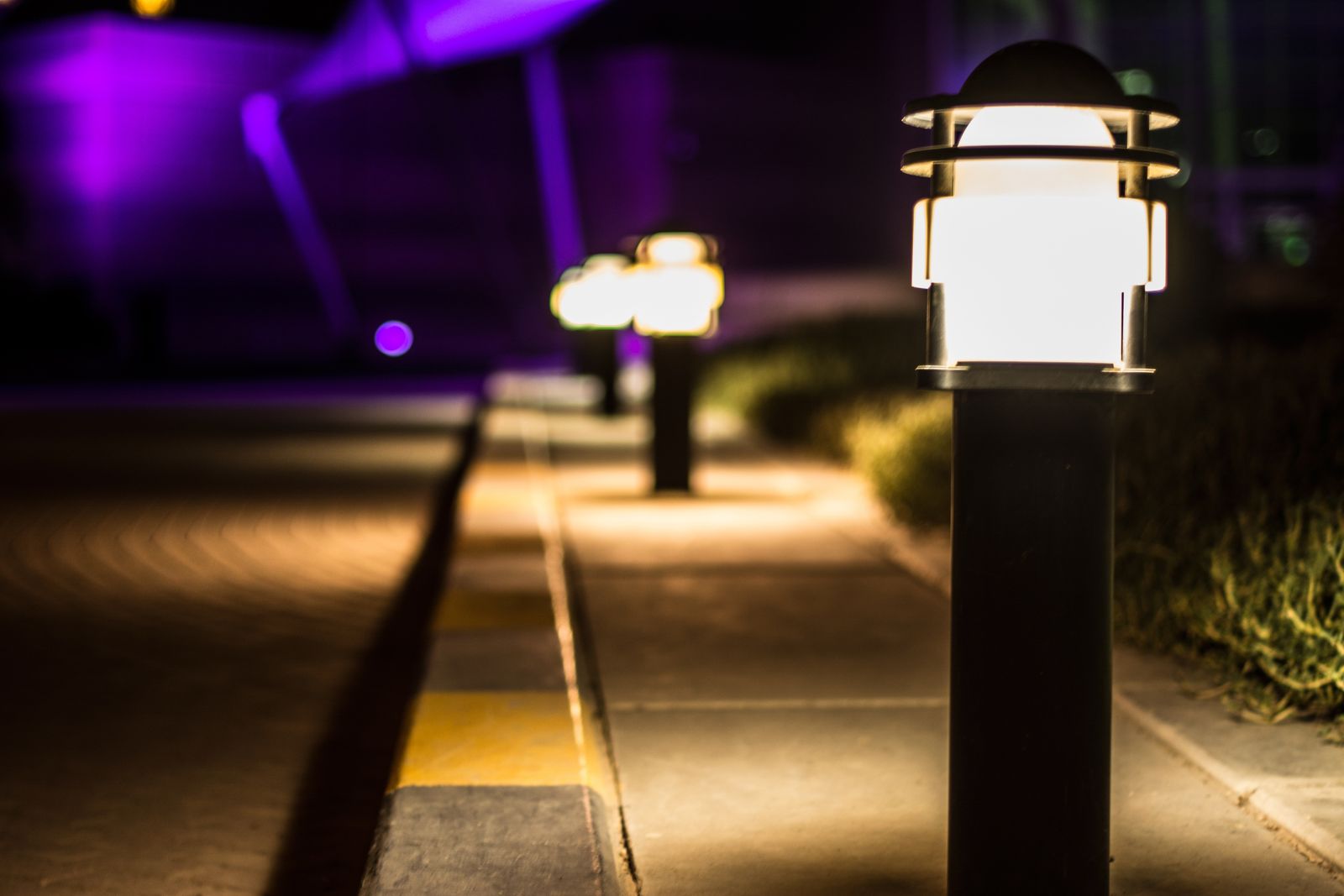
Solar Pathway Lights in Shaded Gardens: Troubleshooting & Placement Hacks
Few things are as frustrating as setting up a beautiful set of outdoor lights, waiting for nightfall, and being greeted by faint, flicker-prone beams—or complete darkness. If your garden pathways are surrounded by mature oak trees, cozy porch overhangs, or tall privacy fences, you might wonder whether eco-friendly lighting is even an option for your yard.
Here is the good news: having a shaded yard doesn't mean you have to abandon your dream of illuminated walkways. Photovoltaic solar panels don't require glaring direct desert sun to generate electricity—they simply need light. By understanding how light behaves under foliage, applying smart placement tactics, and maintaining your equipment, you can keep your garden pathways glowing brilliantly all night long.
---
Can Solar Pathway Lights Work in Shaded Gardens?
The short answer is yes, solar pathway lights can certainly work in shaded environments, but their runtime and brightness depend heavily on the type of shade present.
Direct vs. Indirect Sunlight Absorption
Solar panels use photovoltaic cells to convert photons into direct current electricity, which is then stored in an internal rechargeable battery. Direct sunlight provides an intense, dense stream of photons, allowing panels to reach peak charging efficiency in about 4 to 6 hours.
However, solar panels also absorb diffuse or ambient daylight—the light that bounces through clouds, reflects off nearby walls, or filters through leafy tree branches. In partial or dappled shade, a high-quality solar light can still gather 50% to 70% of its normal full-sun charge. In deep, dark shade (such as under a dense evergreen canopy or beneath a covered porch), panel absorption drops significantly to around 10% to 20%.
Signs Your Solar Pathway Lights Aren't Getting Enough Sunlight
If you notice any of the following symptoms, your lights are likely struggling with insufficient daylight exposure:
- Shortened Runtime: The lights turn on at dusk but shut off after only two or three hours.
- Faint or Dim Glow: The output looks weak compared to when you first unboxed them or tested them in open sun.
- Flickering Beams: The internal circuitry struggles to deliver stable power as stored battery energy drops below critical thresholds.
- Delayed Dusk Activation: The light sensor stays confused by nearby shadow lines, or fails to hold enough power to stay lit continuously.
---
Sunlight Mapping: Finding the Bright Spots in Your Shaded Yard
Photo by Marcelo Chagas on Pexels
Before hammering stakes into the ground, take time to understand the unique lighting dynamics of your property. Walkways rarely sit in uniform shade all day long; instead, pockets of bright sunlight move across your yard like clockwork.
Conducting a 12-Hour Shade Audit
To get the most out of your lights, you need to map out your yard’s daylight profile. When you know where ambient and direct light land throughout the day, you can place your solar stakes where they will harvest maximum photon energy.
#### 5-Step Daylight Tracking Checklist for Shaded Gardens
Learning to map sunlight in your yard takes less than a day, but it delivers months of reliable evening light.
Accounting for Seasonal Shifts in Tree Canopies
Remember that tree shade changes throughout the year. Deciduous trees drop their leaves in autumn, opening up previously shaded paths to full winter sun. Conversely, spring foliage blooms can turn a sunny April walkway into a dense shadow zone by June. Furthermore, the angle of the sun shifts significantly between summer and winter solstice, casting longer, deeper shadows across north-facing garden walls.
---
Strategic Placement Hacks for Shaded Walkways
Once you know where light falls, you can use strategic installation hacks to capture every available ray without sacrificing aesthetic design.
Staggered Positioning Along Canopy Edges
Instead of placing pathway lights in a strict, perfectly straight line directly under overhanging branches, try a staggered zigzag layout. Shift stakes slightly toward the outer drip line of tree branches or the border of your lawn. Moving a light stake just 18 to 24 inches outward can often double its exposure to open sky, giving it the daylight exposure needed to stay bright all night long.
Pruning and Canopy Management
You don't need to cut down your favorite shade trees to enjoy outdoor lighting. A bit of selective landscape pruning—often called "crown thinning" or "skirting up"—can do wonders:
- Remove Dead Wood: Trim away lower, dead branches that block light without adding beauty to the tree.
- Thin the Inner Canopy: Selectively remove dense interior twigs to create dappled light pockets across your pathway.
- Trim Wall Overhangs: Cut back encroaching ivy or groundcover that casts shadows across pathway borders.
Using Reflective Landscaping Features
Light bounces off light-colored surfaces. You can amplify the ambient light hitting your solar panels by surrounding your pathway with light-reflective materials.
#### Quick Hacks to Boost Solar Panel Efficiency in Partial Shade
- White Quartz or Marble Chip Mulch: Swap dark wood mulch around light bases for light-colored stones that bounce sunlight upward.
- Light-Colored Paving Stones: Use light gray or beige flagstones along walkways to reflect ambient sky light onto nearby panels.
- Mirror Accent Globes or Bright Garden Ornaments: Place polished steel spheres or light garden art near shaded stakes to direct extra rays onto the solar cells.
Troubleshooting & Maintenance Fixes for Low-Light Solar Lights

When operating in partial shade, every photon counts. Routine maintenance ensures your solar panels operate at 100% efficiency, so no ambient energy is wasted.
Keep Solar Panels Ultra-Clean for Maximum Charge
Dust, pollen, bird droppings, and water spots build up quickly on horizontal solar panels. In direct sunlight, a dirty panel might lose 10% efficiency; in shaded areas, that same grime can cut power absorption by up to 50%!
Make it a habit to clean solar pathway light panels once a month using a soft microfiber cloth moistened with water and mild dish soap. Avoid abrasive sponges, which can scratch the protective solar lens and permanently diffuse incoming light.
Battery Care and Charge Cycle Optimization
Solar pathway lights rely on rechargeable batteries (typically NiMH or Li-ion). Over time, these batteries lose their capacity to hold a deep charge, especially if they are consistently undercharged in shaded spots.
- Initial Conditioning Charge: When installing new lights, turn off the power switch and allow them to charge in full sun for two consecutive days before turning them on at night.
- Annual Battery Replacement: Replace internal rechargeable batteries every 12 to 18 months to keep power storage crisp and responsive.
Checking Automatic Dusk-to-Dawn Sensors
Smart energy management is essential in low-light environments. Modern solar pathway lights feature automatic dusk-to-dawn sensors that ensure the LED remains completely off during daylight hours, storing every bit of ambient solar energy.
Testing these automatic solar pathway lighting sensors is easy: cover the solar collector fully with a dark cloth during the day. The light should turn on instantly. If it doesn't, check for loose battery connections or dirty sensor lenses.
| Shade Exposure Level | Average Daylight Hours | Expected Nightly Runtime | Recommended Action / Placement Strategy | | :--- | :--- | :--- | :--- | | Full Direct Sun | 6+ Hours | 8 to 10+ Hours | Standard linear placement along path edge. | | Partial / Dappled Shade | 3 to 5 Hours | 5 to 7 Hours | Stagger stakes, clear dirt, use reflective light mulch. | | Dense Tree Canopy | 1 to 2 Hours | 2 to 4 Hours | Thin lower tree branches; shift stakes toward canopy edge. | | Deep Structural Shade | Under 1 Hour | 1 to 2 Hours | Relocate to bright zones; explore best solar pathway lights for partial-sun walkways. |
---
Choosing the Right Pathway Lights for Partial-Sun Areas
When shopping for shaded garden areas, build quality and energy efficiency are crucial. Cheap, unsealed solar lights often suffer from water intrusion in damp, mossy shade, causing internal circuitry to corrode quickly.
Why Waterproofing and Weather Seals Matter in Shaded Damp Spots
Shaded walkway areas stay damp much longer after rainfall than sunny lawn zones because they lack direct thermal evaporation from the sun. Moss, morning dew, and heavy downpours can quickly compromise poorly made lights.
Look for lights built with high-grade IP65 or higher weatherproofing. Solid rubber seals, weather-resistant housing, and clear protective solar covers keep moisture out, preventing internal short circuits and keeping performance rock-solid year-round.
Automatic Sensor Efficiency for Power Conservation
To maximize runtime under tree canopies, efficient energy management is a must. The Waterproof Solar Garden Pathway Lights with Automatic On and Off (Pack) are engineered specifically to overcome partial-sun challenges:
- Automatic On and Off Sensor: Automatically activates LED illumination as darkness falls and shuts off at dawn, reserving stored daytime energy strictly for when you need it.
- Weatherproof Construction: Built to withstand damp, shaded garden beds, rain, snow, and irrigation sprinklers.
- Modern Aesthetic: Designed with sleek lines that elevate walkway decor whether installed in full sun or dappled garden shade.
- Convenient Multi-Pack Value: Easily place multiple stakes along canopy edges and reflective borders to establish continuous, bright walkway illumination.
Upgrade Your Walkways with Effortless Solar Lighting
Don't let shaded garden corners, leafy tree canopies, or tall privacy fences keep your outdoor pathways in the dark. By auditing your yard's sunlight patterns, trimming back overhanging foliage, keeping solar collector lenses sparkling clean, and choosing high-performance fixtures, you can create a warm, welcoming outdoor ambiance anywhere on your property.
Ready to transform your garden paths into bright, safe, energy-efficient walkways? Shop our Waterproof Solar Garden Pathway Lights with Automatic On and Off (Pack) today and enjoy hassle-free outdoor lighting night after night!