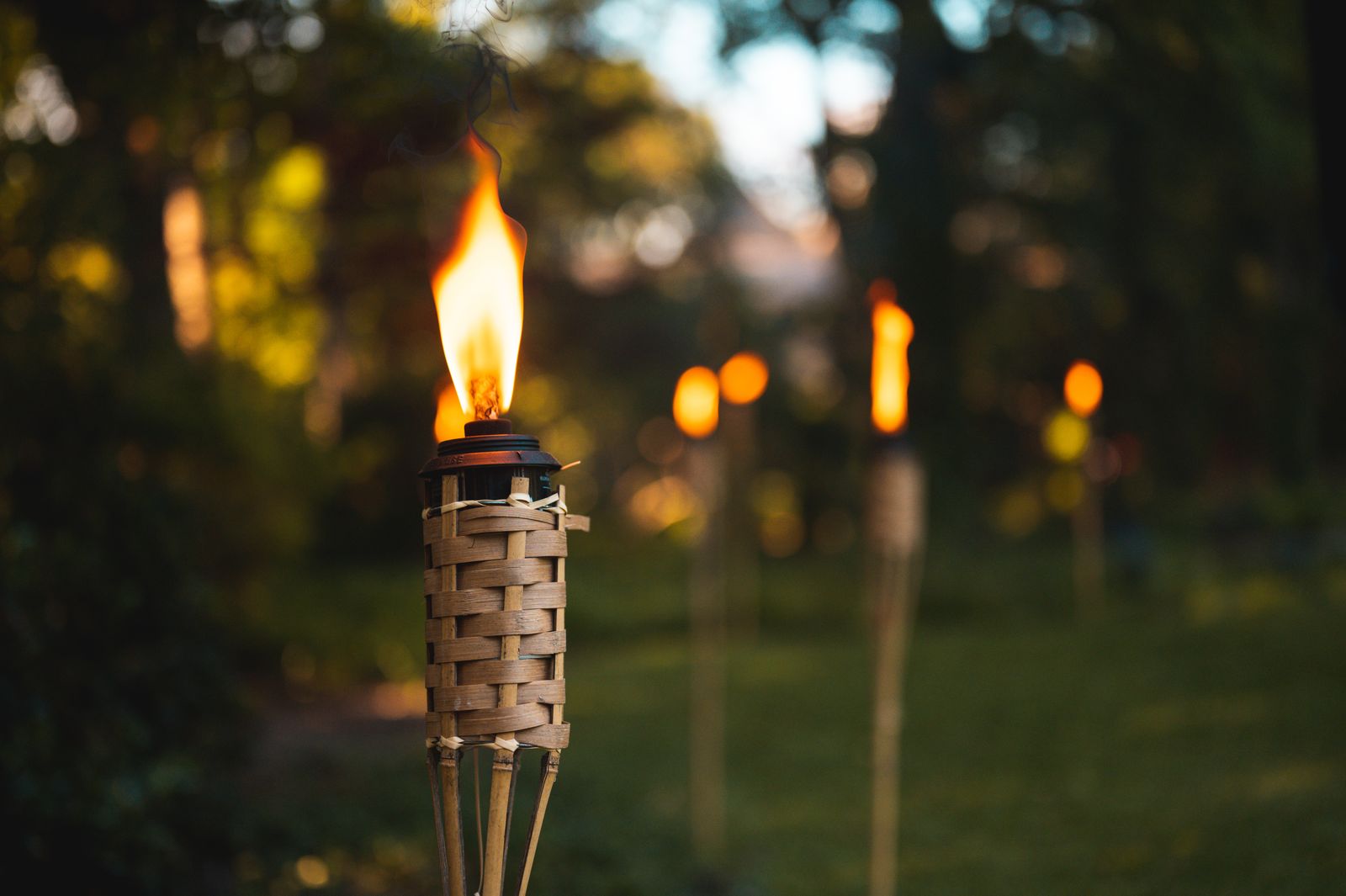
Lighting Allotment and Community Garden Paths: A Season-by-Season Guide
Allotment and community garden paths have no power supply, no owner who can authorize a trench, and a use pattern that swings from empty in January to busy at 8pm in September. Solar stakes are the only realistic way to light them, and the work is less about hardware than about timing: lighting the right stretches during the months people are actually there, and knowing what to do with the units when the site goes quiet.
This guide runs through the year on a shared growing site, plot by plot and season by season.
What is different about a growing site
An allotment path is not a garden path. Four things change the approach.
No power, and often no permission to add any. Even sites with a mains supply to a communal building rarely allow spurs to individual plots. Solar removes the question.
Shared rules. Most sites have a tenancy agreement covering structures, fixings, and anything permanent. Removable stakes in the soil of your own plot are usually uncontroversial; anything fixed to a communal fence, gate, or shed usually needs committee agreement first.
Carrying, not strolling. People move along allotment paths with wheelbarrows, watering cans, tools over a shoulder, and trays of seedlings. Edge definition matters more than brightness, and nothing should sit in the walking width.
Long unattended periods. A garden path is watched every day. A plot path may not be visited for three weeks in midwinter, which affects what is sensible to leave out.
Where lights earn their place on a plot
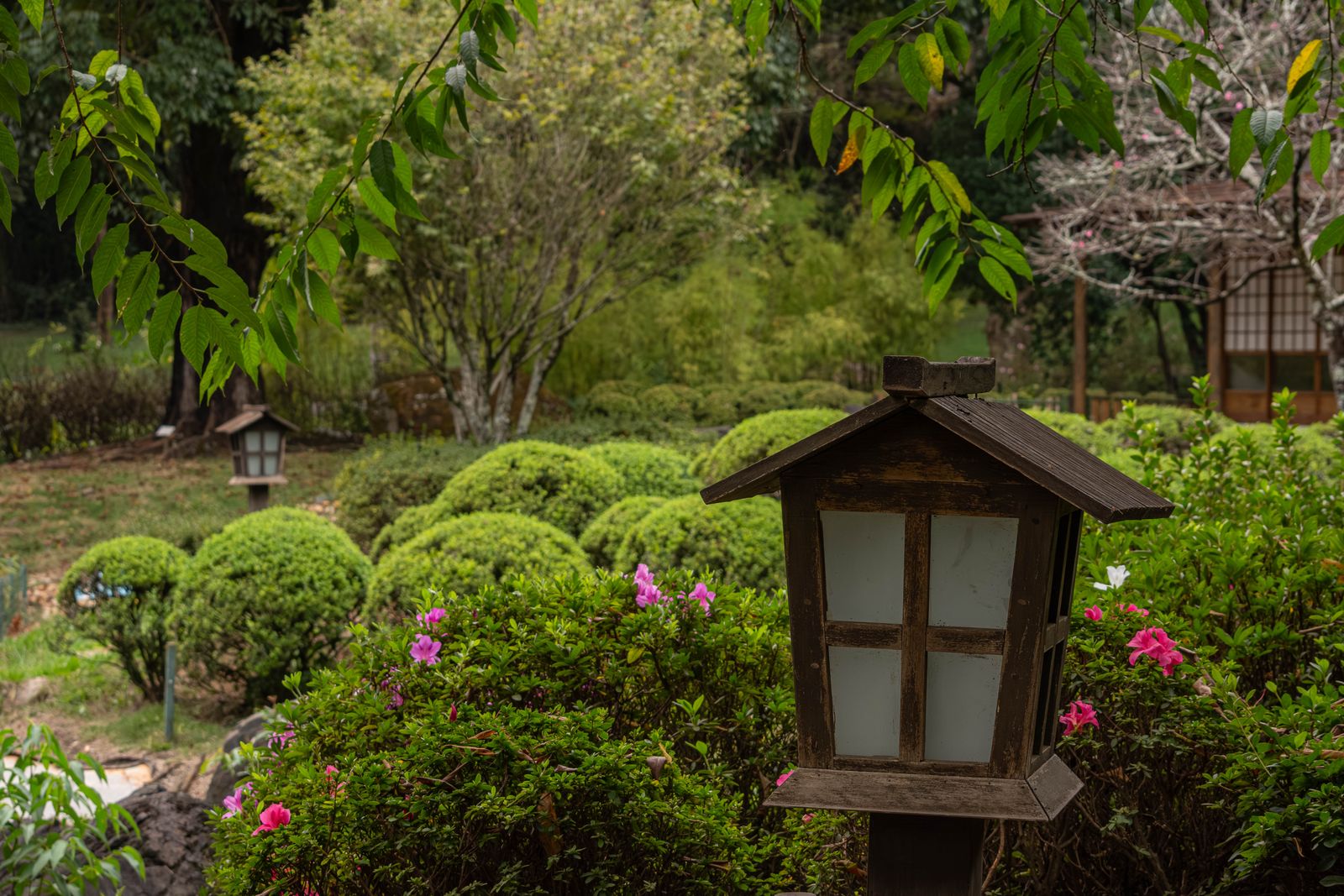
Photo by Jerson Martins on Pexels
Not everywhere. A whole site lit end to end is both expensive and unwelcome on a growing site, where dark skies matter for wildlife and where neighbors on adjoining plots did not ask for the light. Prioritize in this order.
Everything else is optional. For working out how many units a given run needs, the walkway planning guide covers spacing against distance.
A season-by-season plan
| Season | What the site is doing | Lighting action | |---|---|---| | Late winter | Site mostly empty, wet, short days | Keep lights on the plot only if the site is reasonably secure; otherwise store them. Check and clean panels before the season starts. | | Spring | Sowing, long jobs, days lengthening | Put the full run back in place. Charging is easy and paths are muddy, so edge definition earns its keep. | | Early summer | Long evenings, minimal need for light | Lights are largely idle. Good time to check which panels are becoming shaded as crops grow tall. | | Late summer | Beans, sweetcorn, and sunflowers at full height | Reposition any unit now shaded by tall crops. This is the season panels get overshadowed. | | Fall | Harvesting after work, dark by 6pm, peak use | Peak value. Make sure the gate, the plot entrance, and the shed-to-tap route are all lit. | | Early winter | Digging, clearing, occasional visits | Keep the critical points lit. Expect shorter run times as the charging day shrinks. |
The pattern worth noticing is that a growing site needs light most in fall, exactly when charging conditions are declining. That argues for concentrating a smaller number of units at the decision points rather than spreading them thinly along a whole track.
Practical setup on soft, worked ground
- Push stakes into firm ground, not cultivated beds. Worked soil is loose and a stake will lean within a week. Path edges, trodden margins, and the compacted ground beside a shed hold much better.
- Set units back from the barrow line. A wheelbarrow wheel takes a wide arc at a corner, and a stake in that arc will be broken.
- Avoid fixing anything to communal structures. A stake in your own plot is yours. A bracket on a shared gate is a committee matter.
- Expect splash and mud. Allotment paths are wetter and dirtier than garden paths, so panels need wiping more often, and a genuinely waterproof unit is not optional. The case is set out in solar pathway lights in a rainy climate.
- Keep it low and warm. Growing sites are wildlife habitat. Low fixtures aimed at the ground, rather than anything that throws light upward or sideways across neighboring plots, are the courteous choice, and the reasoning is covered in dark-sky-friendly garden lighting.
Handling the off-season
Photo by Jimmy Liao on Pexels
Two defensible approaches, depending on the site.
Leave them out. Reasonable on a secure, gated, well-populated site. Winter visits still happen, and a lit gate in December is genuinely useful. Accept shorter run times and clean the panels when you visit. Cold-weather care is covered in preparing solar garden lights for winter.
Bring them home. Reasonable on an open or remote site, or one with a history of losses. Lift the stakes at the end of the fall clear-up, take the units home, and put them back in early spring. Store them charged and check them before they go back out.
The one option that does not work is leaving them lying in a shed, uncharged, still assembled, for four months and expecting full performance in March. If they come off the plot, they need the same basic storage care as any rechargeable equipment.
Frequently asked questions
Do allotment sites usually allow solar lights? Most do, because a removable stake is not a structure. The common restrictions are on anything fixed to shared boundaries, anything tall, and anything that shines onto a neighboring plot. Check the tenancy agreement, and if in doubt ask the committee before lighting a communal track rather than your own path.
Will lighting a plot path disturb wildlife? It can, which is why placement and restraint matter more here than in a domestic garden. Keep fixtures low, aimed down, and limited to the routes people actually walk after dark. Leaving the majority of the site unlit is both cheaper and better for the hedgehogs, moths, and bats that use it.
Are tall crops a problem for the panels? Yes, and it is the most common seasonal failure on a plot. Beans, sweetcorn, sunflowers, and Jerusalem artichokes reach full height in late summer and can shade a panel that had open sky in May. Walk the path at midday in August and move anything now sitting in crop shadow.
Is one light near the gate worth it on its own? It is often the single highest-value unit on the whole site. The gate is where people arrive, fumble with a padlock, and step from pavement onto uneven ground. If budget or charging conditions allow only one light, put it there.
Next step
Walk your plot at dusk in early fall, when the site is busy and the light is going. Note the three places you slow down — usually the gate, your own path entrance, and the route to the water point. Light those, keep everything low and aimed at the ground, and plan to move any unit that tall crops will shade by August.
Cover photo by Alfo Medeiros on Pexels.