Environmental and Financial Benefits of Solar Garden Lighting: Frequently Asked Questions
Upgrading your home’s outdoor space is one of the most rewarding home improvement projects you can undertake. However, traditional outdoor landscape lighting often comes with unexpected drawbacks—rising utility bills, complex trenching, and ongoing maintenance fees. Fortunately, switching to modern solar technology delivers a powerful double payoff: you get to create a beautifully illuminated walkway or garden path while simultaneously trimming your electricity bills and shrinking your household carbon footprint.
Whether you are aiming to increase safety along your front walkway, highlight vibrant flowerbeds, or define outdoor living zones, understanding the eco friendly solar garden lighting benefits helps you make a smarter, greener investment. Outfitting your yard with high-quality fixtures like the Waterproof Solar Garden Pathway Lights with Automatic On And Off (Pack) allows you to enjoy modern style, continuous dusk-to-dawn performance, and total grid independence without breaking the bank.
In this comprehensive guide, we address the key questions homeowners ask about the financial savings, environmental advantages, and long-term performance of solar pathway lights.
---
What Are the Main Eco Friendly Solar Garden Lighting Benefits?
When evaluating outdoor lighting upgrades, many homeowners focus primarily on aesthetics. However, the environmental impact of traditional lighting systems is substantial. Traditional low-voltage or high-voltage landscape lighting relies directly on power plants burning fossil fuels to generate electricity. By switching to standalone solar units, you fundamentally change how your property consumes energy.
Zero Grid Electricity Draw
The defining feature of solar garden lights is complete energy independence. Each light fixture acts as a self-contained power plant. Integrated photovoltaic (PV) solar panels absorb photons from natural sunlight throughout the day, converting that solar energy into direct current (DC) electricity stored safely in internal rechargeable batteries.
Because this process relies 100% on renewable solar energy, your outdoor lighting operates with zero draw on the municipal power grid. Whether you install four fixtures along a small entry path or dozens across an expansive garden, your utility company will never bill you a single cent for lighting your walkways.
Reduction in Household Carbon Footprint
According to environmental studies on residential energy use, decorative outdoor lighting accounts for a surprising portion of evening electricity consumption. Running traditional hardwired landscape lights for 8 to 10 hours every night requires a steady electric current, contributing continuously to greenhouse gas emissions at power generation facilities.
Transitioning to solar-powered landscape lights directly eliminates those operational emissions. Over a multi-year period, replacing wired halogen or high-wattage incandescent path lights with solar-powered alternatives prevents hundreds of pounds of carbon dioxide from entering the atmosphere, making solar garden lights one of the simplest green upgrades available for any home.
---
Financial FAQs: How Much Money Do Solar Pathway Lights Really Save?
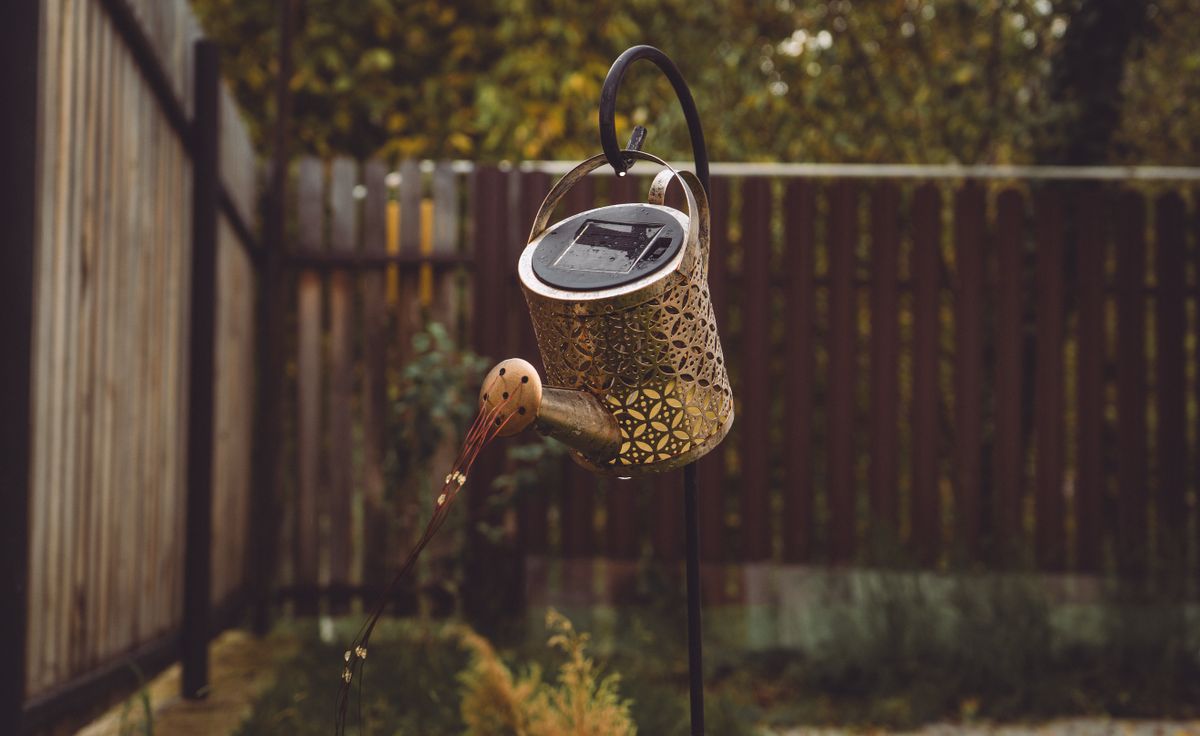
Photo by Gurgenidze G on Pexels
Understanding the financial return on investment (ROI) helps clarify why so many homeowners are replacing traditional low-voltage wired lighting with solar fixtures.
Eliminating Monthly Electricity Costs
Traditional landscape lighting systems run continuously on household electricity. While a single hardwired bulb might not seem expensive, multiplying that wattage across 10 to 20 fixtures running 365 nights a year adds a noticeable bump to your monthly utility bills.
Solar pathway lights generate solar light electricity savings from the very first night they turn on. Because operating costs are precisely $0.00 per month, the system begins paying for itself immediately upon installation.
Zero Wiring and Professional Installation Fees
Beyond monthly operating expense, traditional wired landscape lighting carries high upfront installation costs. Professional installation requires:
- Digging trenches across lawns and garden beds.
- Running low-voltage or high-voltage underground wiring.
- Installing outdoor transformers and junction boxes.
- Hiring licensed electricians to tap into your electrical panel.
Cost & Environmental Impact Comparison: Solar Pathway Lights vs. Hardwired Low-Voltage Lighting over 3 Years
| Feature / Metric | Waterproof Solar Pathway Lights (Pack) | Hardwired Low-Voltage Landscape Lights | | :--- | :--- | :--- | | Grid Electricity Usage | 0 kWh (100% Solar Powered) | ~150–300 kWh per year (varies by wattage) | | Monthly Energy Cost | $0.00 | $2.50 – $7.00 per month | | Trenching & Wiring Required? | No wiring required | Yes, underground wiring & transformer needed | | Installation Cost | $0 (DIY Stake Installation) | $300 – $1,200+ (Professional labor) | | Carbon Footprint Impact | Zero operational emissions | Continuous grid emissions | | Relocation Flexibility | Instant (pull stake and move) | High difficulty (rewiring/retrenching required) |
---
Environmental FAQs: How Solar Technology Reduces Waste and Energy Use
Modern solar lighting has evolved far beyond the dim, short-lived models of past decades. Today's high-efficiency components optimize energy storage and light output to maximize both performance and eco-friendliness.
Energy Efficiency of Integrated LED Bulbs
Modern solar pathway lights combine advanced solar collectors with ultra-efficient light-emitting diode (LED) technology. LEDs consume up to 80% less energy than traditional incandescent bulbs while delivering clean, crisp light. Because LEDs produce almost no wasted ambient heat, nearly all the stored battery power goes directly into illuminating your walkway.
Furthermore, LED bulbs possess incredible longevity, often lasting upwards of 25,000 to 50,000 operational hours. This eliminates the need for frequent bulb changes, significantly reducing consumer waste in local landfills.
Automatic Dusk-to-Dawn Energy Conservation
Energy conservation requires smart management. Modern fixtures include built-in light sensors (photoelectric cells) that automatically switch lights on at dusk and off at dawn.
To understand how intelligent sensing compares to traditional timers, read our detailed guide on automatic dusk-to-dawn solar pathway lights vs hardwired timer lighting. Because the integrated sensor measures ambient daylight, the light never operates unnecessarily during daytime hours, ensuring that stored battery energy is conserved exclusively for nighttime illumination.
Top 5 Eco-Friendly Features of Modern Solar Pathway Lights
---
How Do Modern Waterproof Solar Pathway Lights Perform Long-Term?
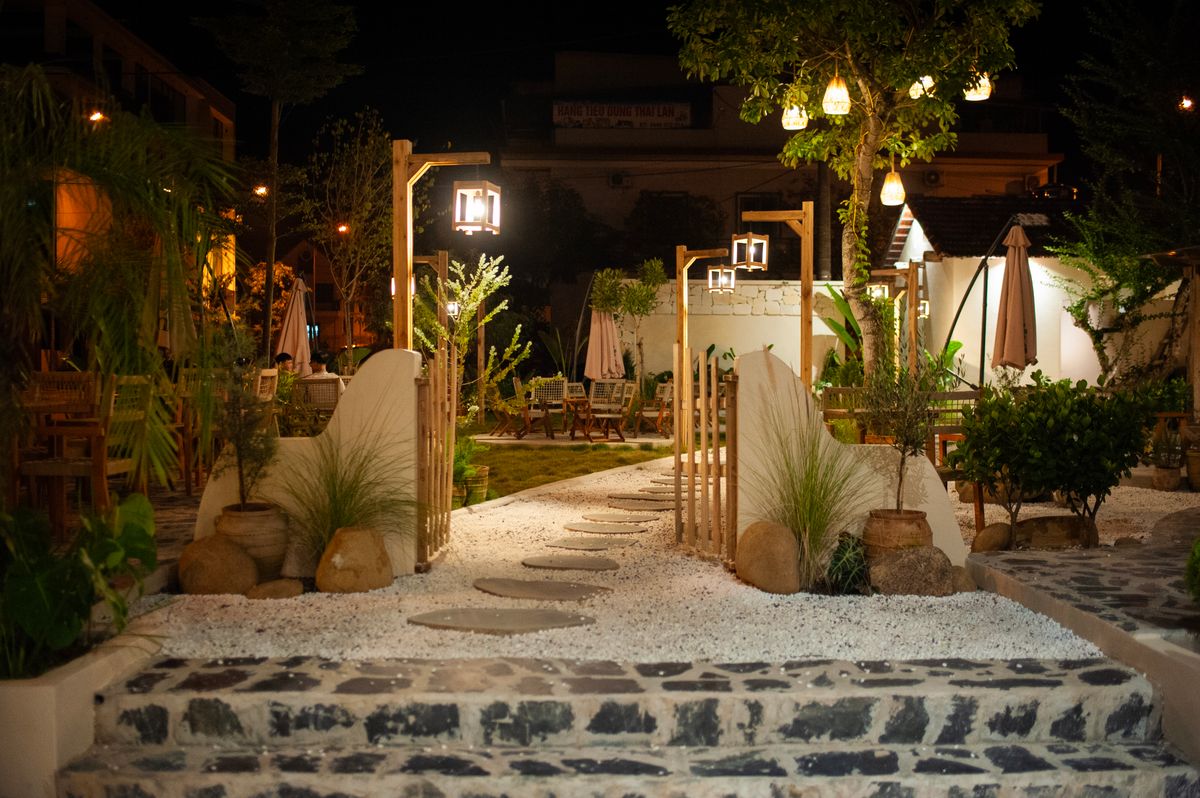
Photo by Thang Nguyen on Pexels
A truly eco-friendly product must be built to last. Products that fail after a single season contribute to electronic waste and defeat the purpose of sustainable living. High-quality eco-friendly outdoor landscape lighting is specifically engineered for multi-year weather resistance.
Weatherproof Durability for Multi-Year Use
Outdoor lighting faces intense weather extremes—heavy rainstorms, summer heat, snow, and freezing frost. Premium products like the Waterproof Solar Garden Pathway Lights with Automatic On And Off (Pack) feature sealed, waterproof housings that prevent moisture intrusion.
By keeping rain and condensation away from internal circuitry and battery compartments, weatherproof solar lights maintain consistent performance season after season. Durable ABS or stainless materials resist UV degradation and rust, keeping your outdoor spaces looking polished and well-lit without constant hardware replacements.
Low Maintenance and Easy Panel Care
Maintaining your solar lights requires minimal effort. Unlike wired systems that require checking voltage drops or replacing burnt-out halogen bulbs, solar lights simply require clean solar panels to collect maximum energy.
To maintain peak efficiency, occasionally wipe away dirt, pollen, or dust from the solar panel surfaces. Learning proper techniques for cleaning your solar pathway light panels ensures your lights collect maximum daylight even during shorter winter days. Combining simple cleaning habits with basic routine solar light maintenance guarantees long product longevity and steady brightness.
Simple Ways to Extend the Lifespan of Your Solar Garden Lights
- Position for Maximum Sunlight: Install fixtures where solar panels receive 6 to 8 hours of direct, unshaded sunlight daily.
- Wipe Down Solar Panels: Clean panel covers with a soft, damp cloth every few months to remove dirt buildup.
- Keep Sensors Clear: Ensure surrounding garden foliage does not block the automatic dusk-to-dawn sensor.
- Clear Snow and Leaves: Remove seasonal debris promptly from solar tops after autumn storms or winter snowfalls.