Solar Pathway Light Brightness Comparison: Finding the Ideal Lumens for Your Walkway
For standard residential walkways and garden paths, 15 to 30 lumens per light fixture provides the ideal balance of clear ground navigation, ambient atmosphere, and long-lasting dusk-to-dawn performance without causing harsh glare.
Visualizing Light Dispersion & Spacing by Lumen Rating
Understanding how brightness dictates fixture spacing and light spread on walkway surfaces.
Solar Pathway Light Lumens Comparison Matrix
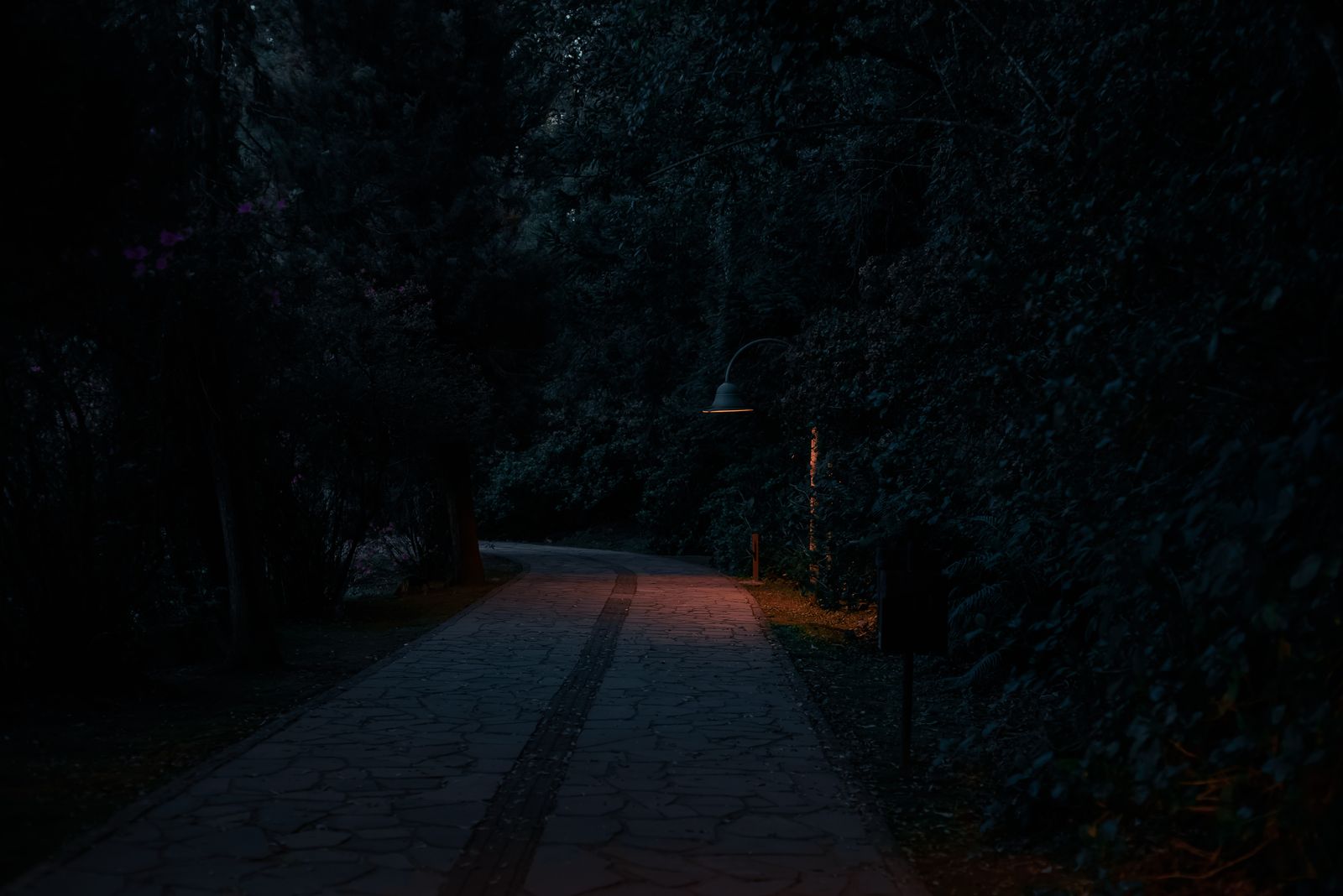
| Evaluation Criteria | Low Output (1–10 Lumens) | Medium Output (15–30 Lumens) | High Output (40+ Lumens) |
| --- | --- | --- | --- |
| Primary Application | Decorative garden borders & flowerbed accents | Standard walkways, main entry paths, garden steps | Driveway borders, security areas, dark perimeter paths |
| Illumination Radius | 1.5 to 3 feet diameter | 4 to 6 feet diameter | 7 to 10+ feet diameter |
| Recommended Spacing | 2 to 4 feet apart | 6 to 8 feet apart | 8 to 12 feet apart |
| Dusk-to-Dawn Battery Life | Excellent (10–12+ hours easily reached) | Optimal (8–10 hours with efficient LEDs) | Variable (5–8 hours; sensitive to winter solar gain) |
| Glare & Aesthetic Comfort | Zero glare; soft romantic glow | Warm visible illumination; zero harsh hot-spots | Can cause visual glare if placed too close to eye level |
Compare lumen tiers to find the exact brightness needed for your outdoor application.
Comparing Pathway Brightness Categories
Evaluating the practical trade-offs of low, medium, and high lumen outdoor fixtures.
Lumen Selection Decision Guide
Selecting lumens is a balance between safety needs, ground cover radius, and available winter sunlight in your region.
Best choice for
- 15 to 30 Lumens (Medium) — Provides sufficient footstep visibility while creating an inviting home entrance.
- 1 to 10 Lumens (Low) — Accents foliage and hardscaping without overwhelming natural dark spaces.
- 40+ Lumens (High) — Maximizes safety and identification of obstacles from a distance.
- Avoid 40+ lumen lights in narrow garden paths where light reflects harshly into windows.
- Avoid sub-10 lumen lights on primary walking paths with elevation changes or uneven steps.
- Standardized 20-Lumen Waterproof Solar Pathway Pack — Delivers uniform 6-foot light pools across walkways while maintaining standard dusk-to-dawn runtime.
Frequently Asked Questions About Solar Pathway Light Lumens
Answers to critical questions regarding solar brightness, battery performance, and path safety.
Real-World Placement Scenarios
Suburban Front Walkway with Ambient Street Lighting — 15 to 20 lumens space 6 to 7 feet apart. Streetlights provide general surrounding light, so mid-range lumens easily define the path borders without competing.
Pitch-Black Rural Walkway or Long Country Driveway — 30 to 40 lumens spaced 8 feet apart. High contrast requires crisp ground illumination to prevent tripping on stray branches or unpaved terrain.
Winding Backyard Garden Path Surrounded by Dense Foliage — 15 to 25 lumens spaced 5 to 6 feet apart. The slightly tighter spacing creates an overlapping ribbon of warm light that guides footsteps around curves.
How to select lumen output based on common outdoor landscape setups.
Key Takeaways for Choosing Pathway Brightness
Quick summary rules for planning your solar walkway lighting project.
Understanding Solar Pathway Light Lumens: What Do They Mean?
When transitioning from traditional low-voltage wired lighting to solar outdoor fixtures, many homeowners evaluate brightness using wattage. However, wattage measures electrical power consumed, not the actual volume of light emitted. In modern energy-efficient LED solar lighting, lumens are the single standard measurement for visual brightness.
Selecting the appropriate lumen rating ensures your walkways are safely lit without turning your front lawn into an overly harsh stadium environment. Understanding how lumens correlate with light spread and battery drain is essential for an efficient, beautiful installation.
#### Lumens vs. Watts in Solar Lighting In older incandescent systems, a 40-watt bulb produced roughly 450 lumens. Modern outdoor LEDs achieve that same brightness utilizing less than 4 watts of power. Because solar pathway lights run entirely on harvested solar energy stored in rechargeable lithium-ion batteries, LED efficiency is paramount. Measuring output strictly in lumens allows you to evaluate how much light will reach your walkway regardless of internal battery voltage or panel size.
#### Why Lumens Matter for Outdoor Safety and Ambiance Path lighting serves two core functions: navigation safety and architectural enhancement. Insufficient lumens (under 10) leave hazards like steps, root heave, or stone edges hidden in shadow. Conversely, excessive brightness (above 50 lumens) can produce intense glare that temporarily disrupts night vision and washes out fine landscape features. The sweet spot of 15 to 30 lumens delivers clear ground contrast while maintaining a relaxing, warm ambient glow.
---
Solar Pathway Light Lumens Comparison Breakdown
To organize your landscape lighting design, break fixtures into three primary performance tiers based on lumen output.
#### Low Lumens (1 to 10 Lumens): Accent & Decorative Lighting Low-lumen solar lights act as visual markers rather than functional task illumination. Producing a soft, candle-like glow, these fixtures outline flowerbed boundaries, accent decorative garden rocks, or mark edge lines along manicured lawn borders. While charming, they do not cast enough ground clearance to illuminate hazards on dark stone walkways.
#### Medium Lumens (15 to 30 Lumens): Ideal Walkway & Garden Navigation This tier represents the optimal performance range for residential solar pathway lights. Generating a focused downward beam that spreads 4 to 6 feet across paving stones or gravel, 15 to 30-lumen fixtures highlight tripping obstacles, ground level changes, and walkway borders clearly. They provide clean visual guidance while consuming a balanced amount of stored battery energy.
#### High Lumens (40+ Lumens): Task & High-Visibility Security Lighting High-output solar pathway lights cast wide pools of bright white light spanning 8 to 10+ feet. These fixtures suit dark rural driveways, commercial walkways, or secluded side yards requiring security coverage. However, higher light output requires larger solar panels and direct, unshaded sunlight to sustain charge across full autumn and winter nights.
---
How Lumens Impact Battery Life and Solar Performance
#### The Brightness vs. Runtime Trade-Off Solar energy operates on a simple budget: the battery can only store as much energy as the solar panel absorbs during daylight hours. Higher lumen output consumes energy at a faster rate. A 50-lumen fixture with a standard 600mAh capacity battery may run out of power after 5 or 6 hours on short winter days. Meanwhile, an optimized 20-lumen fixture can easily maintain steady illumination for 8 to 12 hours on the exact same battery capacity.
#### Automatic Dusk-to-Dawn Sensors and Energy Efficiency Integrated light sensors (photocells) automatically activate solar fixtures at dusk and deactivate them at dawn. This sensor-driven operation prevents unnecessary daylight discharge, preserving full battery storage for nighttime hours. Choosing fixtures with automatic power management ensures your 15 to 30 lumen lights operate consistently every night without requiring manual toggling.
---
Choosing the Best Brightness for Your Yard Layout
#### Front Walkways and Main Entrances Your front entryway requires welcoming, uniform illumination. Using 15 to 30-lumen fixtures spaced 6 to 8 feet apart creates overlapping light pools that guide guests comfortably from driveway to doorway.
#### Garden Borders and Secondary Pathways For winding side paths or garden flowerbed edges where footsteps are casual, 10 to 15 lumens offer subtle guidance while preserving natural shadows across planting beds.
#### Spacing Your Lights According to Lumen Output A common mistake is placing solar lights too close together, creating visual hot-spots, or spacing them too far apart, creating dark gaps. Follow these spacing guidelines:
- 5 Lumens: Space 2 to 3 feet apart
- 20 Lumens: Space 6 to 8 feet apart
- 50 Lumens: Space 10 to 12 feet apart
Related Outdoor Lighting Guides
- How Many Lumens Do You Need for Walkway Lights? Brightness vs. Battery Efficiency
- How Many Lumens Do You Need for Solar Pathway Lights? Brightness & Spacing Guide
- How Far Apart Should Solar Pathway Lights Be Spaced? (A Complete Layout Guide)
Featured Solution for Walkway Illumination
Achieve the ultimate balance of navigation safety, weather endurance, and dusk-to-dawn performance.
Next Steps for Your Walkway Project
Your decision: Determine your pathway width and total length to calculate the exact number of 15 to 30 lumen solar lights required.
Do this next: Measure your main walkway, plan for 6 to 8 foot spacing, and choose weather-ready waterproof fixtures with automated sensors.
Related resource: Consult landscape guidelines from the Illuminating Engineering Society (IES) for low-voltage residential lighting standards.
Upgrade your yard with the Waterproof Solar Garden Pathway Lights with Automatic On and Off (Pack) at https://gardenpathwaylights.com.
Take action today to transform your home's outdoor walkways with smart solar lighting.
Pro Lighting Insight: Balancing Lumens and Overnight Runtime
Explore related guidance covering setup, upkeep, and seasonal care:
- Pathway Lighting Placement FAQs: Spacing, Shadows, and Landscape Design Answers
- The Benefits of Dusk-to-Dawn Solar Lights: How Automatic Sensors Simplify Outdoor Lighting
- Solar Pathway Light Maintenance FAQ: Waterproofing, Battery Care, and Cleaning
- Staggered vs. Straight Pathway Lighting Layouts: Which Enhances Curb Appeal?