The Complete Guide on How to Light Up a Garden Pathway
The Complete Guide on How to Light Up a Garden Pathway
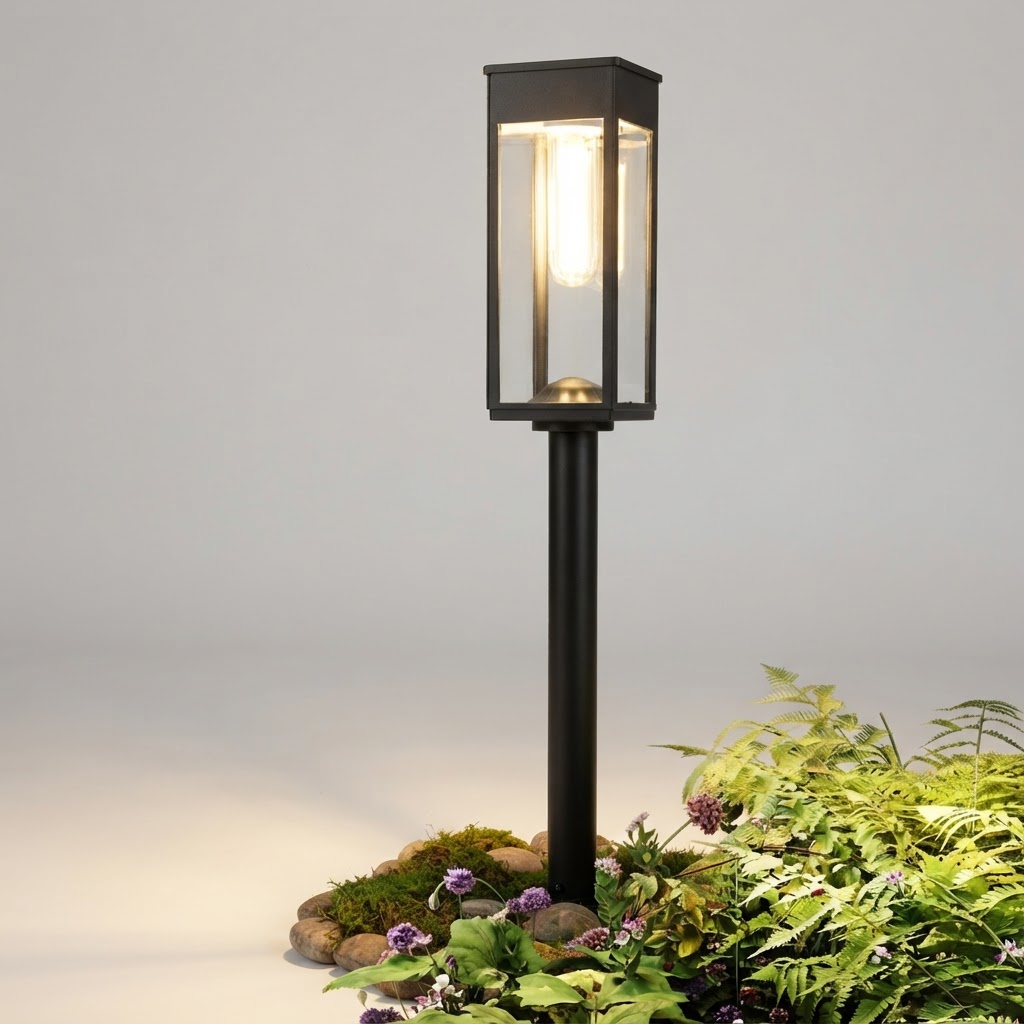
Illuminating your landscape walkways properly enhances outdoor safety, boosts curb appeal, and defines garden borders. Learning how to light up a garden pathway involves balancing aesthetic appeal with practical functionality. Whether you want to illuminate a stone walkway, a gravel trail, or a grassy garden border, selecting the correct fixture types and understanding installation mechanics is key.
Planning Your Garden Pathway Lighting Layout
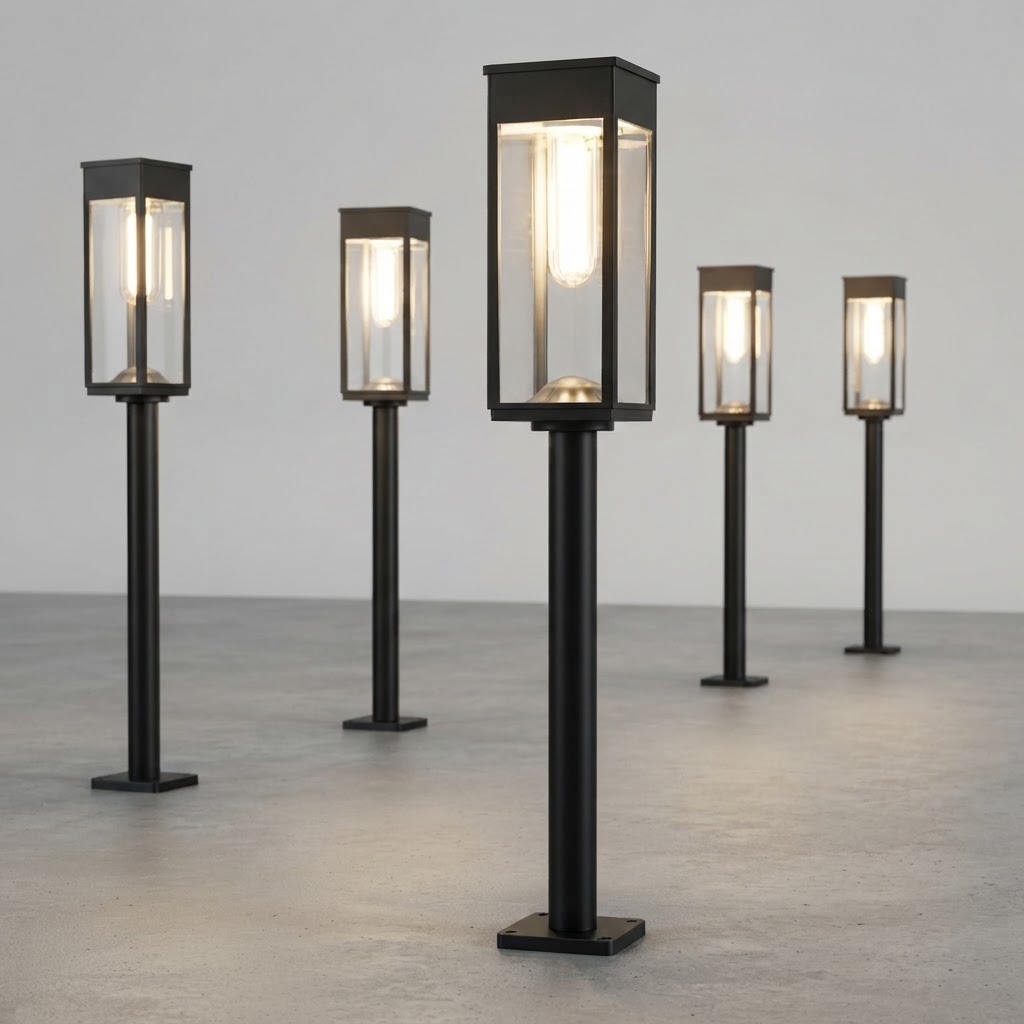
Before purchasing outdoor lighting, assess the length and shape of your walkway. A common design error is creating a 'runway effect' by positioning lights in straight, opposing pairs. Instead, stagger fixtures along both sides of the path to achieve a balanced, ambient glow.
When determining layout, spacing is essential. Fixtures emitting 10-15 lumens perform best when placed at a 6-8 feet spacing distance. This gap provides continuous, overlapping illumination without harsh glare or dark patches between stakes.
Key Lighting Specifications: Lumens and Color Temperature
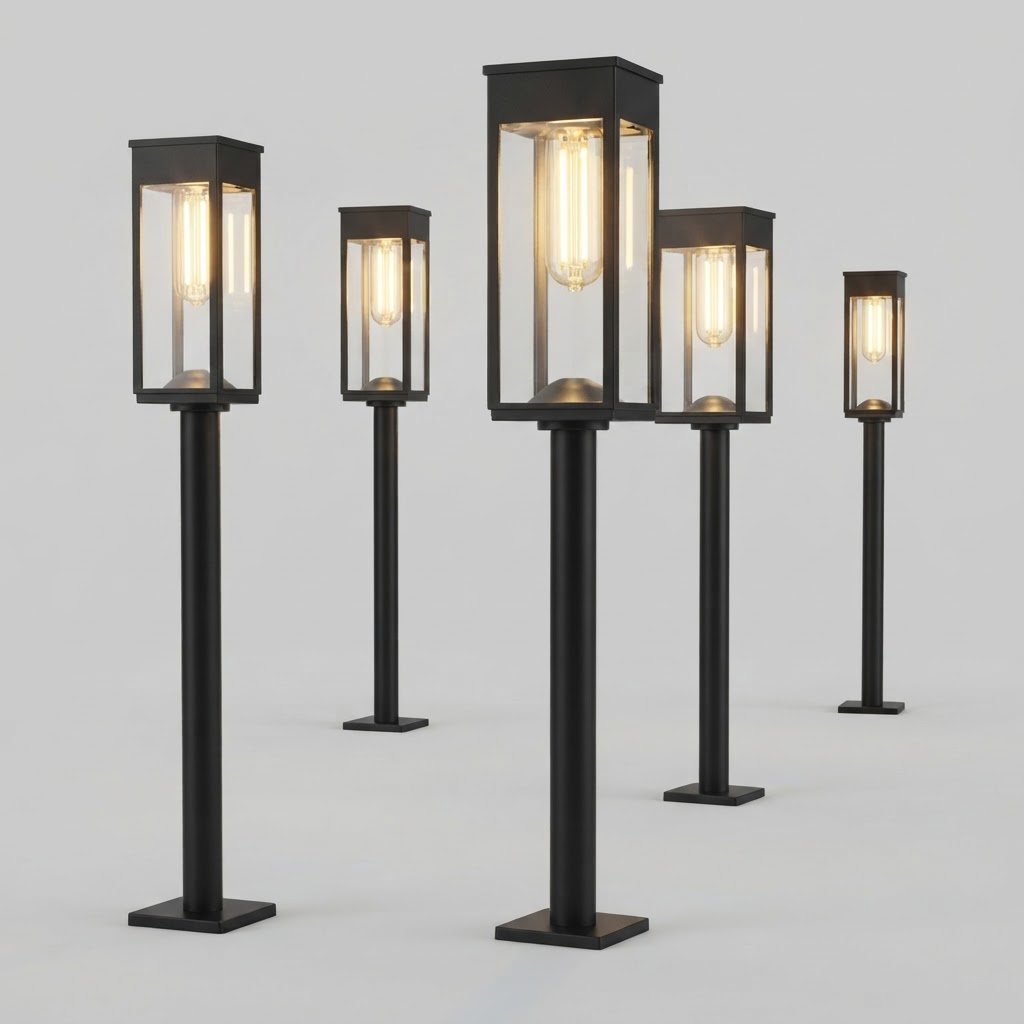
Pathway lighting should guide foot traffic without overwhelming the eyes. High-intensity floodlights are impractical for ground pathways; soft, accent lighting is far more effective.
- Brightness: For walkway border accenting, 10-15 lumens per fixture offers sufficient visibility.
- Color Temperature: A warm color temperature of 3000K emits an inviting amber-white light that complements foliage and hardscapes better than cool blue-tinted lights.
- LED Efficiency: Choosing fixtures with an LED lifespan of 50,000 hours ensures long-term reliability without frequent bulb replacements.
Solar vs. Hardwired Pathway Solutions
Homeowners traditionally chose hardwired low-voltage transformers for path illumination. However, modern solar technology offers comparable brightness with significantly simpler setup.
Solar pathway lights require zero electrical wiring, yielding an estimated install cost of $0 (DIY). Equipped with dedicated solar panel wattage ranging from 0.2W - 0.5W, these fixtures absorb sunlight during daytime hours. After charging hours of 6-8 hours under sunlight, quality units provide a nightly run hours duration of 8-10 hours.
Furthermore, integrated automatic on and off sensors detect ambient light drops at dusk, automatically turning the lights on at night and off at dawn without manual switches or timers.
Installing Pathway Lights for Stability and Longevity
Proper anchor installation prevents light fixtures from tipping due to soil shift, wind, or lawn equipment.
Maintenance and Seasonal Care for Outdoor Lighting
To preserve battery performance and ensure maximum nightly battery run time hours of 8-10 hours, clean top solar panels periodically with a damp microfiber cloth to remove dust, pollen, and debris. Modern solar garden pathway lights feature waterproof design construction, protecting internal electronics from rain, morning dew, and lawn sprinklers year-round.
Related in this cluster
- How to Lay Out Pathway Lighting for Optimum Garden Coverage
- Solar vs Wired Pathway Lights: Which Is Best for Your Garden Walkway?
- Why Automatic On/Off Waterproof Solar Lights Are the Ultimate Walkway Solution
- Solar Pathway Lighting FAQ: Installation, Weatherproofing, and Performance
- 5 Pathway Lighting Mistakes That Ruin Curb Appeal (and How to Fix Them)
- Understanding Waterproof Ratings and Durability in Outdoor Solar Walkway Lights