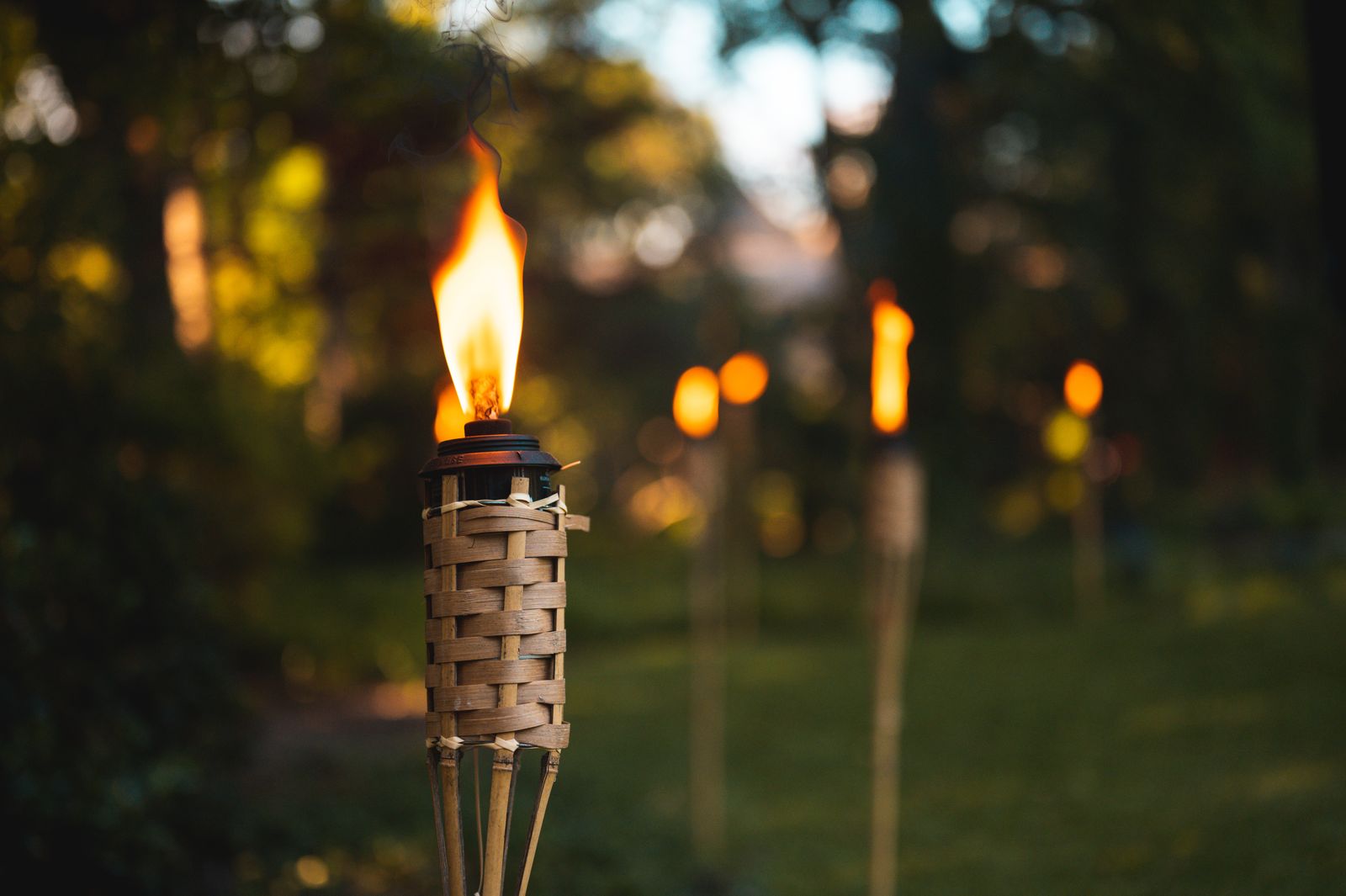
How to Light Dark Garden Pathways and Steps to Prevent Nighttime Trips and Falls
Light a dark garden path and its steps by marking every change of level and every walking edge with low, even 10-15 lumen pools, not by blasting the yard from one flood. Waterproof solar garden pathway lights with automatic on and off sit on ABS plastic stakes at nosings, landings, and about 6-8 feet along the walk so the next footfall is visible. Keep glare out of eyes. A bright face and a black tread is how people miss a step.
Trips hide at edges, not in open grass
Most nighttime falls on a home path happen at a stair, a lip of paver, a hose, or a turn, not in the middle of a lawn. The lighting job is contrast on those edges. A 10-15 lumen marker at the problem shows the change. A flood on the house wall can flatten that contrast and throw a shadow exactly on the tread.
Start at the door landing, then the first step down, then the walk to the street or gate. The guide to placing solar pathway lights to prevent trips is the neighboring placement map.
If aging eyes or a stroller are part of the household, treat the same edges as required. The walkway lighting accessibility guide on glare and trip hazards covers that audience.
Steps need their own lighting plan
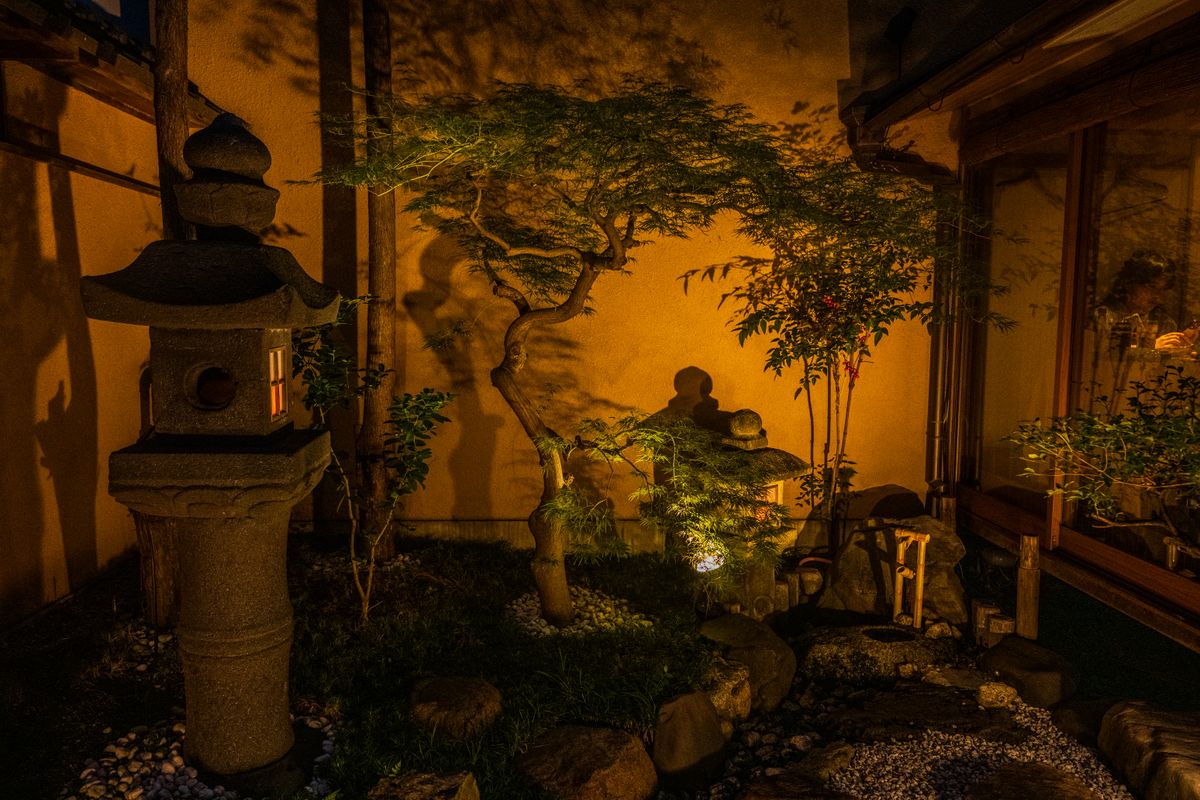
Photo by Guohua Song on Pexels
A garden stair is not a short walk. Each riser is a trip line. Put a solar stake at the top nosing so the first step down is obvious, another at the bottom so the last drop is obvious, and extra units on long flights so treads stay readable. The guide to solar path lights on slopes, steps, and retaining walls is the terrain companion.
Do not mount a lamp so it shines into the walker's eyes on the way down. Aim the pool at the tread. Marker height on a short stake is an advantage: light stays near the feet.
Wet steps after rain are slicker and darker. Waterproof housing keeps the marker working. Lighting shows a wet tread; it does not dry it.
Automatic light is the light that is actually there
A switched porch lamp that is off when someone comes home does not prevent a fall. Automatic on and off on each solar stake is the practical safety feature: dusk arrives, the walk is marked, nobody has to remember. After a 6-8 hour charge, a healthy unit runs about 8-10 hours, which covers evening returns and early-morning bins.
If a stretch of the path sits in day shade, those units will fade first and reopen a trip zone after midnight. Give panels sky, or accept that the shady stair needs a sunnier stake whose pool still reaches the nosing.
The guide to eliminating dark walkways with automatic solar lighting is the dusk-to-dawn version of this same job.
Dark-path hazards and the light that actually helps
| Hazard | What to light | What fails | | --- | --- | --- | | Single step at a landing | Nosing from the side or below eye line | A flood that shadows the tread | | Long garden stair | Top, bottom, and mid-flight markers | One lamp at the top only | | Uneven pavers or gravel lip | Edge pools every 6-8 feet | A gap that hides the lip | | Turn or gate | Outside of the bend and both sides of the gate | A lamp behind the walker | | Wet boards or stone | Low side light that shows shine on the surface | Glare that hides the wet patch |
Style still follows safety on a garden walk
Matching waterproof stakes look calmer than a mix of novelty lamps, and calm is easier to read. Keep one fixture family. Stay in the 10-15 lumen class so the garden remains a garden, not a parking lot.
Planting can hide a nosing as easily as darkness can. Trim foliage off the walking line and off the solar panel. A beautiful border that covers the tread is still a trip.
The job is human footing, not a motion flood that startles and then leaves the steps black.
Dark path and step lighting checklist
Photo by Alfo Medeiros on Pexels
- [ ] Walk the route after dark and mark every missed edge.
- [ ] Place markers at top and bottom nosings, plus mid-flight on long stairs.
- [ ] Space flat walks about 6-8 feet with overlapping 10-15 lumen pools.
- [ ] Aim at treads and edges, not at faces.
- [ ] Use automatic on and off so the route is lit without a switch.
- [ ] Keep panels in sun and heads above puddles and mulch.
Frequently asked questions
Is 10-15 lumens enough to prevent trips?
It is enough when pools overlap and every nosing is marked. It is not enough as a single lamp in a void, and it is the wrong tool as a distant flood.
Should steps use brighter lights than the rest of the path?
They need closer spacing more than a jump in lumens. Extra glare on stairs hides treads.
Do solar lights stay on long enough for late returns?
After a full 6-8 hour charge, about 8-10 hours is the listed night. Shady panels shorten that window, which is a placement fix.
Where should the first light sit on a dark walk?
At the first change of level leaving the door, then along the walk at 6-8 feet, then at the street or gate.
Can a porch flood replace path markers?
Usually no. A high flood throws shadows on steps and leaves edges unreadable. Low markers at the problem are the trip-prevention tool.
Related reading
Trip placement, accessibility, steps on slopes, and automatic dark-walk lighting sit next to this sequence.
- how to place solar pathway lights to prevent trips
- walkway lighting for glare, aging eyes, and trip hazards
- solar path lights on slopes, steps, and retaining walls
- eliminating dark walkways with automatic solar lighting
What to do next
Walk the garden path after dark and list every missed nosing, lip, and turn. Stake 10-15 lumen waterproof solar markers at those points, fill flat stretches at about 6-8 feet, and keep automatic on and off clear of glare. Aim at feet, not faces. That is how a dark walk stops hiding steps.
Cover photo by Alfo Medeiros on Pexels.