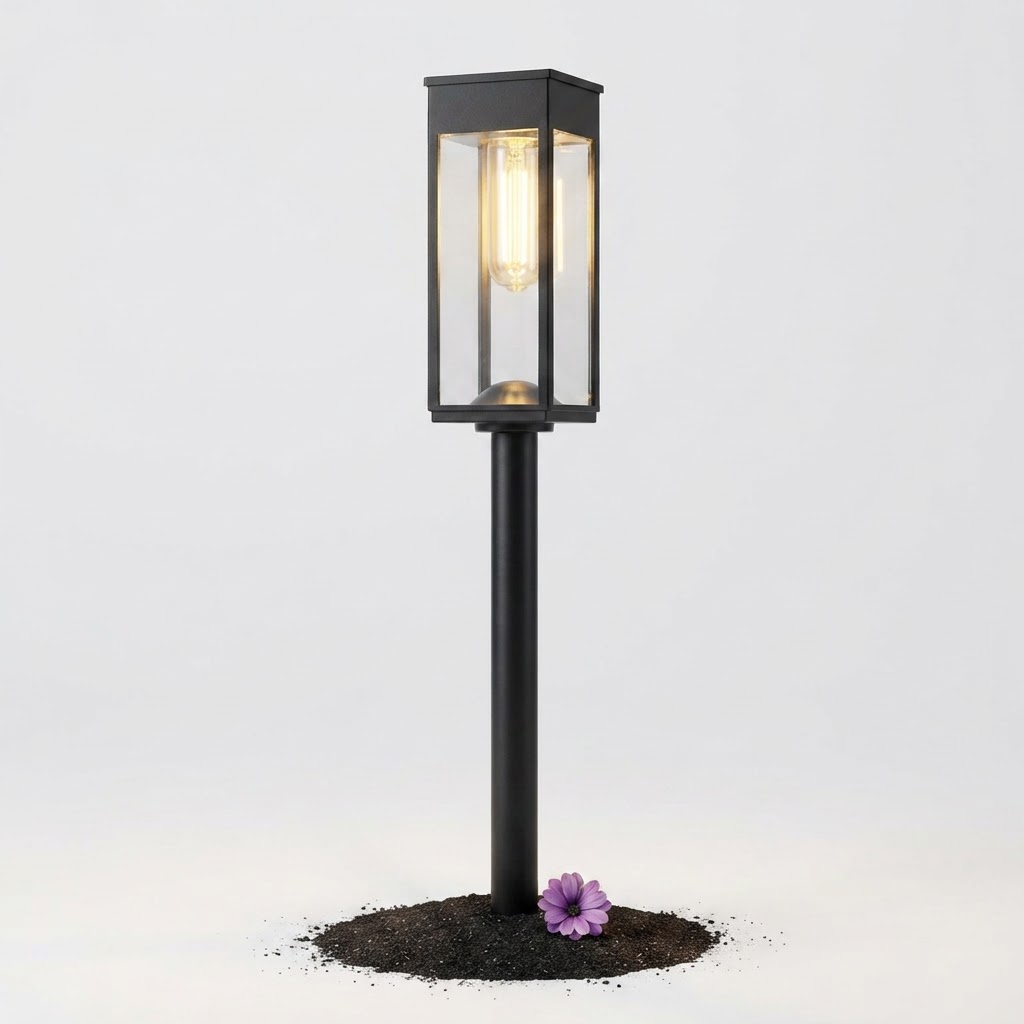
How to Light Outdoor Garden Walkways: The Ultimate Pathway Lighting Guide
How to Light Outdoor Garden Walkways: The Ultimate Pathway Lighting Guide
Illuminating outdoor garden walkways enhances nighttime curb appeal, improves foot traffic safety, and creates a welcoming atmosphere around your home. Whether you are highlighting a stone path, guiding guests toward a front entrance, or accenting flower beds, choosing the right lighting layout and equipment is essential.
Understanding Outdoor Walkway Lighting Basics
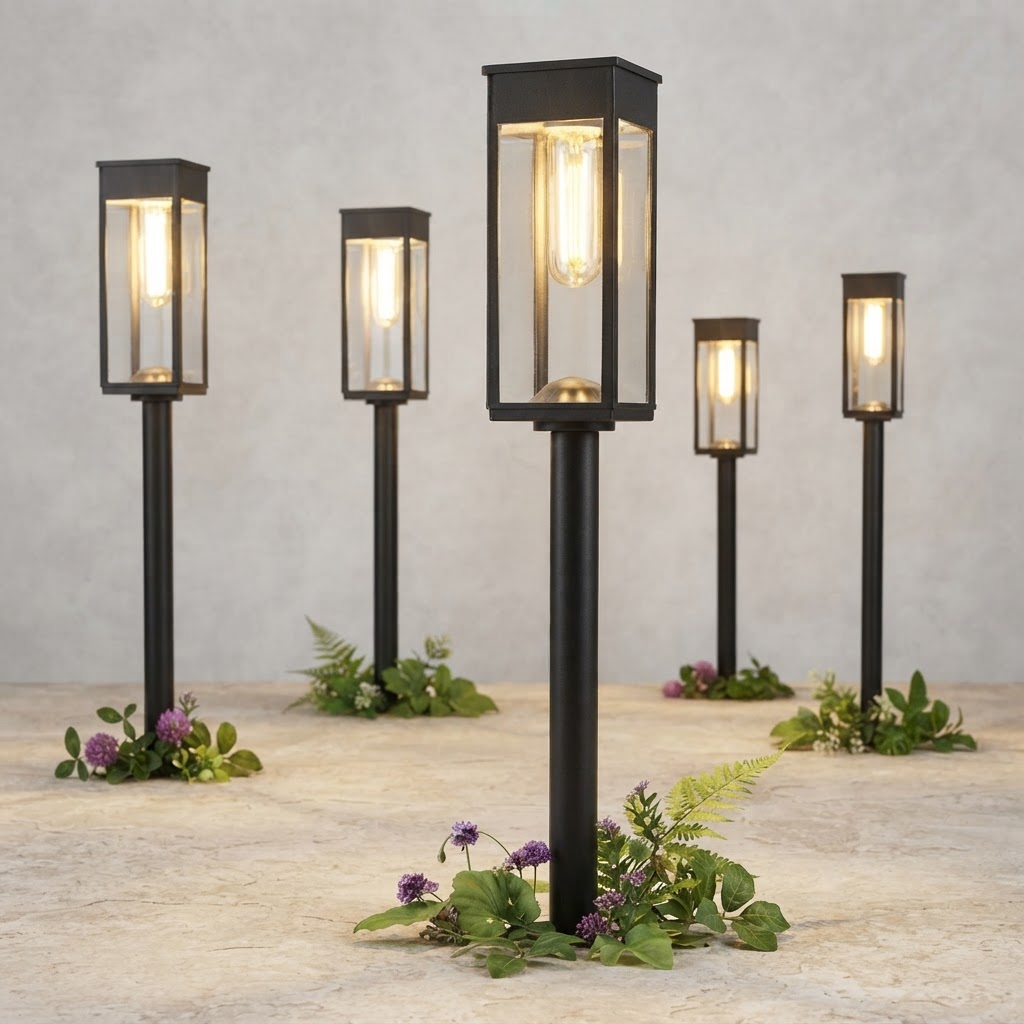
Walkway lighting serves two primary purposes: safety and aesthetics. Proper lighting illuminates potential trip hazards, such as subtle grade changes or stepping stones, while creating an inviting visual flow through your landscape.
When planning your layout, avoid placing lights in a straight, airport-runway line. Instead, stagger fixture placement along alternating sides of the path to achieve a balanced, natural appearance that softly highlights surrounding foliage.
Solar vs. Hardwired Pathway Lights
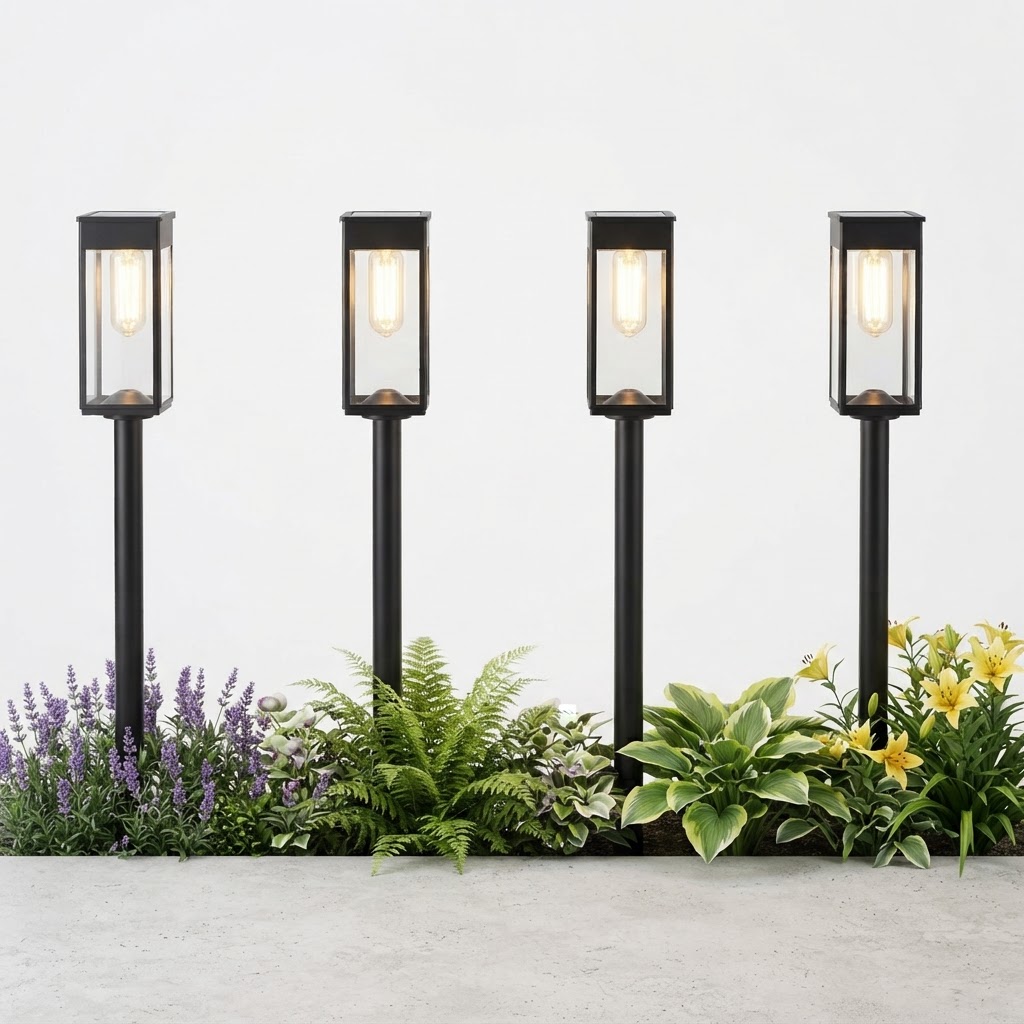
Homeowners traditionally chose between low-voltage hardwired systems and solar-powered fixtures. While wired systems require professional transformers and subterranean wiring, modern solar options provide an effortless alternative.
With zero trenching required, solar lighting eliminates electrical installation expenses, keeping estimated installation costs at $0 (DIY). Built-in photo sensors automatically switch lights on at dusk and off at dawn, offering completely automated operation.
Key Specifications: Brightness, Spacing, and Battery Life
Achieving subtle yet effective ambient lighting requires attention to technical details:
- Lumens Output: Pathway fixtures should emit soft illumination rather than harsh glare. A balance of 10-15 lumens creates a gentle glow that preserves night vision while adequately lighting steps.
- Spacing Distance: Fixtures delivering 10-15 lumens perform best when placed at a spacing distance of 6-8 feet. Spacing them too closely creates light overlap, while placing them too far apart leaves dark gaps.
- Run Time and Charging: High-efficiency panels require roughly 6-8 hours of direct sunlight during the day to deliver a nightly run time of 8-10 hours throughout the evening.
- Durability: Look for rugged ABS Plastic stakes designed for a stake depth of 4-6 inches to keep fixtures firmly grounded through changing weather conditions.
Step-by-Step Installation for Solar Garden Lights
Installing solar pathway fixtures is straightforward:
Maintenance and Year-Round Performance Tips
To ensure optimal performance, periodically wipe dust and debris off the top panel with a soft, damp cloth. Modern LEDs offer a lifespan of up to 50,000 hours, requiring minimal long-term upkeep. Coupled with a reliable 1 year warranty, solar pathway lighting remains one of the most accessible upgrades for any residential landscape.
Related in this cluster
- 5 Creative Walkway Lighting Ideas for Modern Gardens
- How to Install Solar Pathway Lights in Your Garden
- Solar vs Wired Pathway Lights: Which Is Best for Walkways?
- Why Waterproof Solar Garden Pathway Lights Are the Best Choice
- Solar Garden Pathway Lights FAQ: Everything You Need to Know
- Pathway Light Spacing & Brightness Guide for Outdoor Walkways