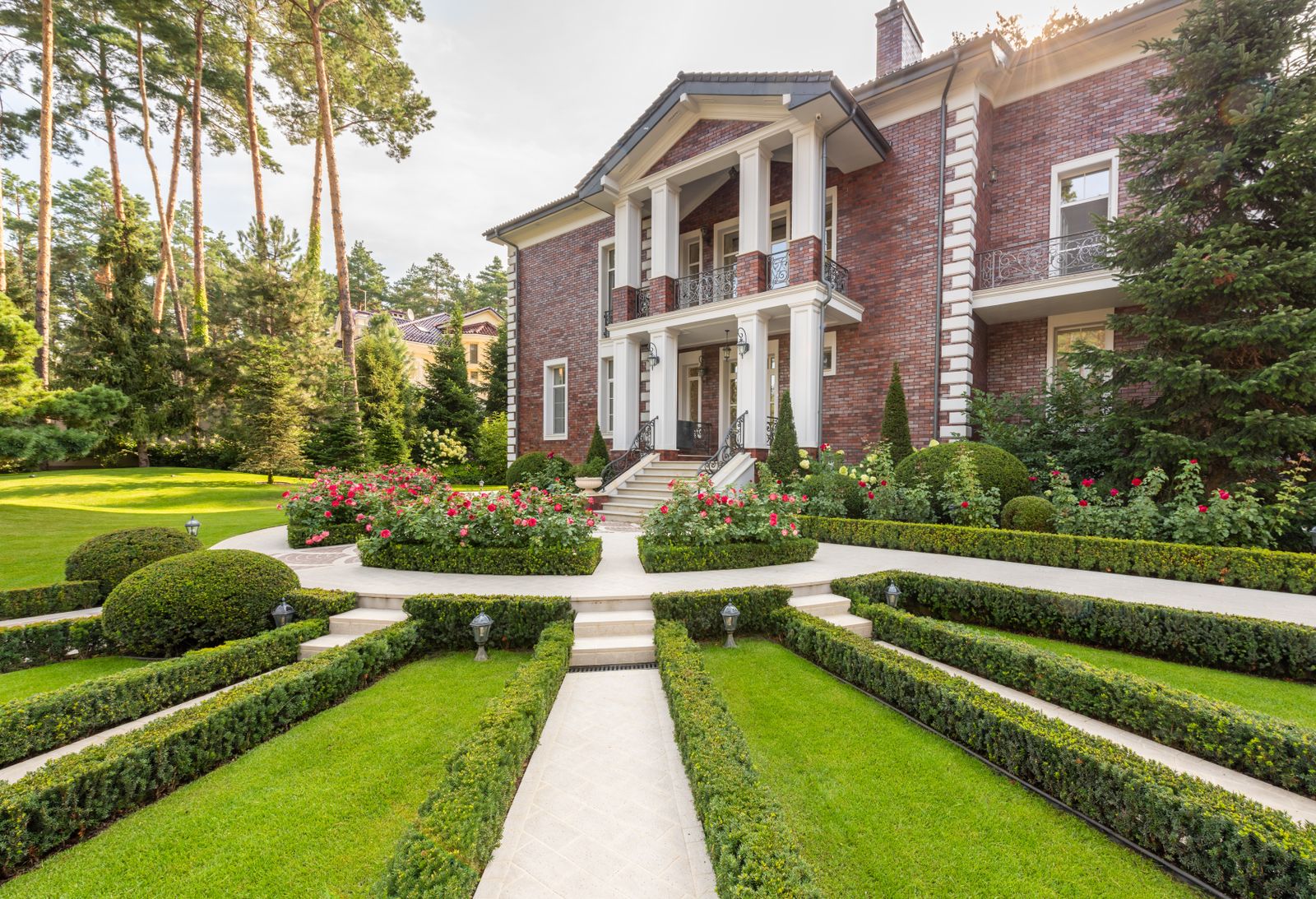
Path Lighting, House Numbers, and Doorbell Cameras: Making Them Work Together
A doorbell camera, a house number, and a lit path are three parts of one system, and most frontages get them working against each other. The usual mistakes are a bright fixture aimed back toward the camera lens, a number plaque that is invisible from the street but glares in the footage, and a path lit so unevenly that anyone walking up it appears as a silhouette. Low pathway lighting placed behind the camera's line of sight fixes all three.
This compares the common lighting approaches on their effect on camera footage, number legibility, and everyday use, and gives the placement rules that keep them cooperating.
What a doorbell camera needs from your lighting
Most doorbell cameras switch to infrared night vision when ambient light drops below a threshold. Infrared works, but it produces flat monochrome images, tends to blow out anything close to the lens, and loses clothing color and vehicle detail — the exact information that makes footage useful.
Given a modest amount of ambient light, many cameras stay in color mode instead, which produces a far more identifiable image. That does not require bright light. It requires even light in front of the door, arriving from the side or from below rather than from behind the subject.
Three failure modes to avoid:
- Light into the lens. Any fixture pointing back at the camera creates flare, forces the exposure down, and puts the visitor's face in shadow.
- Backlighting. A bright light behind an approaching person turns them into a silhouette. This is what happens when the brightest thing on the frontage is a floodlight over the door.
- Moving light and shadow. Swinging fixtures, or light passing through moving foliage, generate motion alerts all night. Fixed, low, downward light does not.
Comparing lighting approaches for a camera frontage
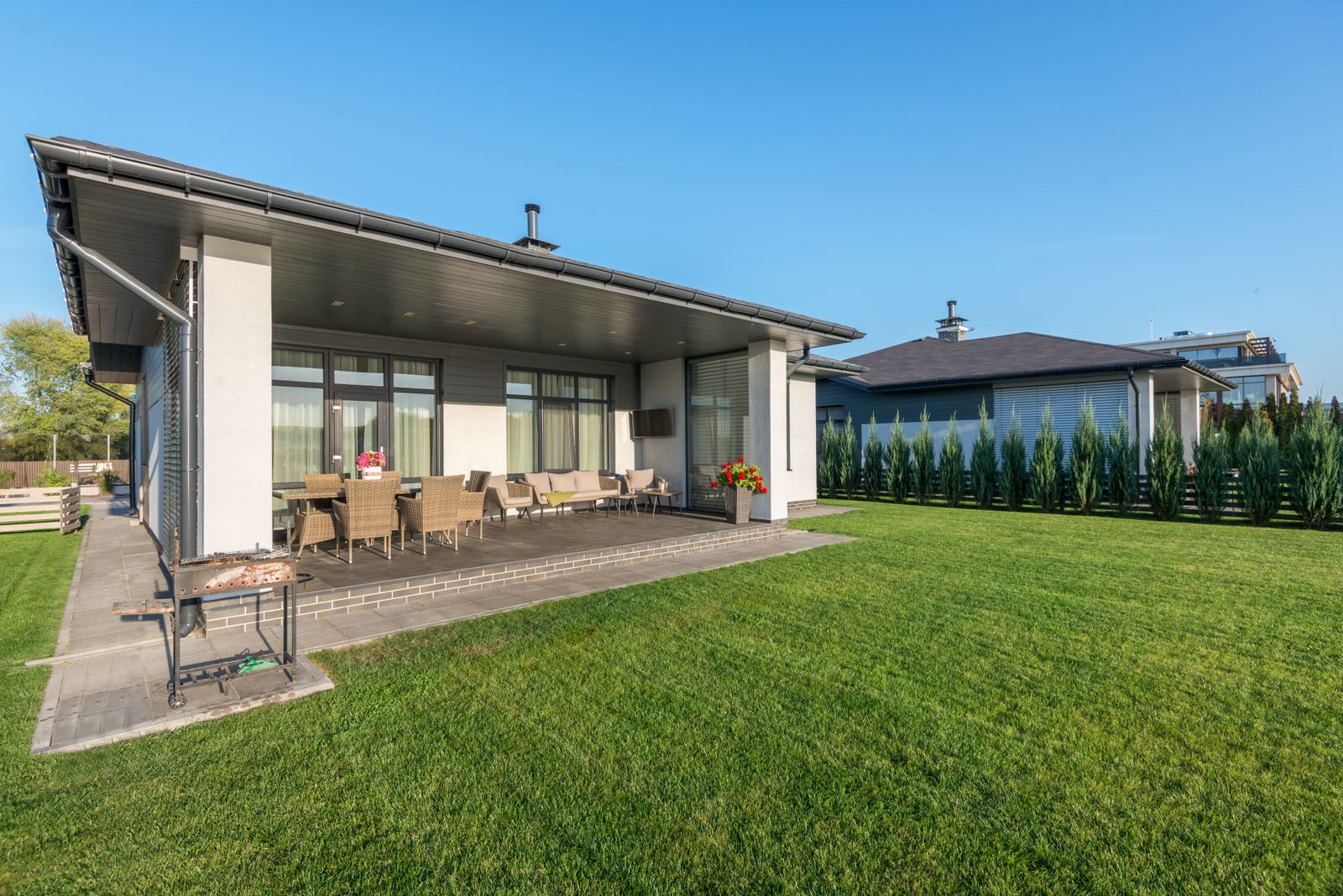
Photo by Max Vakhtbovych on Pexels
| Approach | Effect on camera footage | Number legibility from the street | Everyday practicality | |---|---|---|---| | Low solar pathway lights along the approach | Good. Even ambient light from below and beside, no lens flare, no false triggers | Good if a fixture sits near the number | High. No wiring, automatic operation | | Motion floodlight above the door | Poor. Backlights visitors, blows out the near field, triggers late | Poor. Off most of the time | Moderate. Bright when it works, dazzling up close | | Porch light only | Mixed. Helps at the door, leaves the approach dark, can backlight | Moderate. Only if the number is on the door itself | High, but limited coverage | | Camera infrared alone | Weak. Monochrome, no color detail, near-field washout | None | High, and free with the camera | | Wired low-voltage path lighting | Good, similar to solar if aimed down | Good | Lower. Trenching, transformer, an electrician |
The pattern is that low, downward, continuous light along the approach beats bright intermittent light above the door on every camera-related measure. The trade is that pathway lighting produces less absolute brightness, which matters less than most people expect because the camera does not need brightness — it needs the subject lit from the front.
For the wider security argument behind continuous rather than triggered lighting, see the dusk-to-dawn security FAQ, and for the wired comparison, solar against hardwired lighting for security.
Where to put the lights relative to the camera
The rule is simple: fixtures belong on the camera's side of the visitor, not behind them, and always below the lens.
Making the house number work at night
A house number that cannot be read from a slowing vehicle is the most common cause of a failed delivery, and it is a lighting problem as much as a signage problem.
- Grazing light beats direct light. A fixture set slightly to the side of a number, throwing light across it, creates shadow relief that makes the digits readable. Light straight onto a glossy number often produces a bright blank.
- Put the number where the path light already is. A number on a gate post, a low wall, or a post beside the path sits inside the pool of light from a pathway fixture with no extra hardware.
- Matte finishes read better under low light. Polished brass and mirror-finish acrylic reflect a fixture's own light back rather than diffusing it.
- Check it from the road, in a car. The relevant test is a driver's view at 15 miles per hour from 30 feet away, not a pedestrian's view from the gate.
Practical layout for a camera-and-number frontage
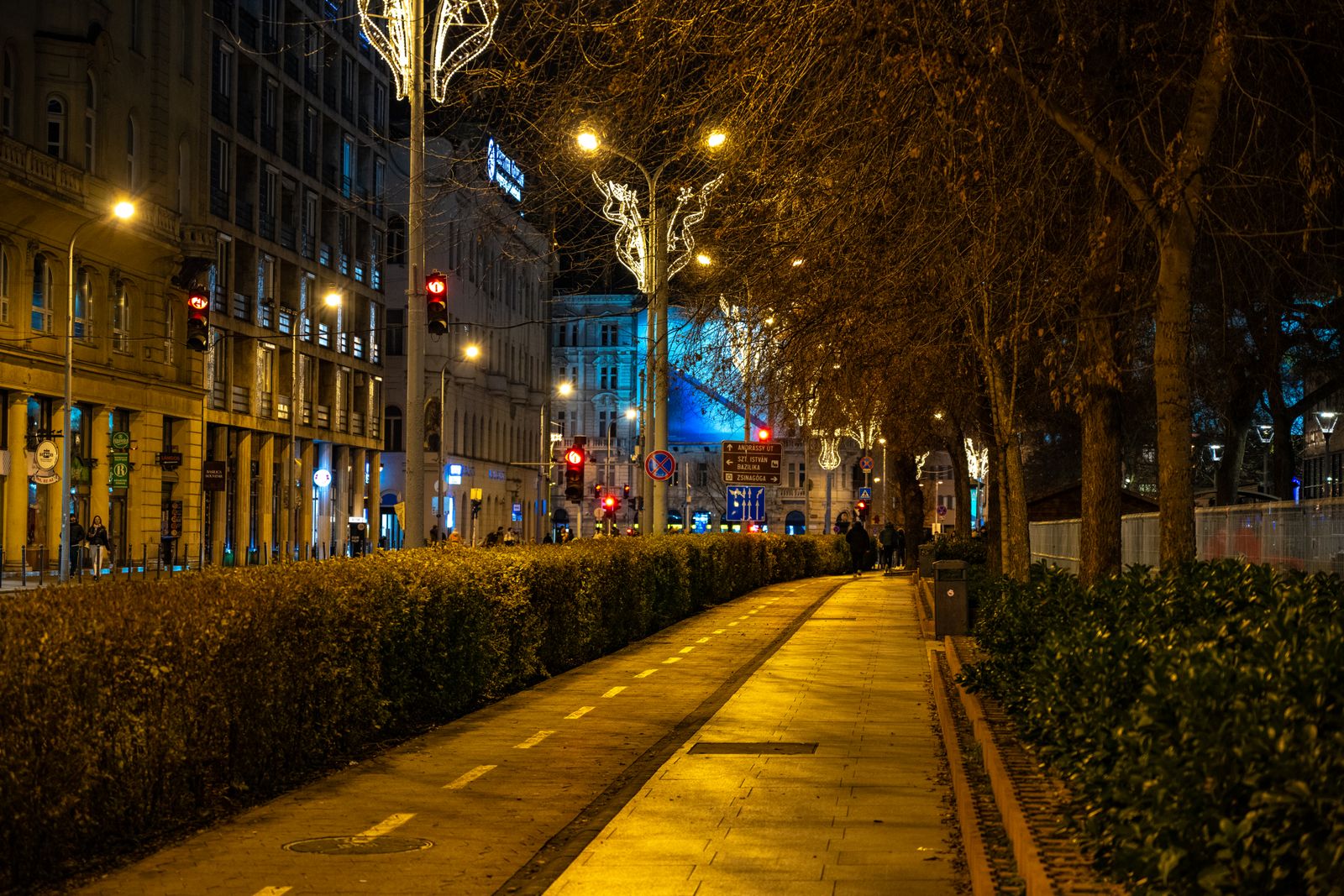
Photo by Elijah Cobb on Pexels
- One fixture at the entrance from the street, close enough to the number to graze it.
- One or two along the approach path, both aimed at the ground.
- Nothing above waist height anywhere in the camera's frame.
- Nothing that shines across the boundary at neighbors or drivers, which is also the courteous approach set out in dark-sky-friendly garden lighting.
Frequently asked questions
Will pathway lights cause false motion alerts on a doorbell camera? Static fixtures do not, because the camera reacts to change rather than to light. What causes false alerts is movement inside a lit area — branches, tall grass, hanging baskets swinging in wind. Keeping the lit zone in front of the camera clear of moving planting solves most nuisance alerts.
Is a pathway light bright enough to keep a camera in color night mode? It depends on the camera's threshold and how close the light is to the door, so treat it as worth testing rather than guaranteed. Several low fixtures along the approach usually raise ambient levels more usefully than one bright light above the door, because the light lands where the subject is rather than behind them.
Should the light be aimed at the visitor's face? No. Aim everything at the ground. Light reflected up from a path illuminates a person's front adequately and comfortably, while a fixture aimed at face height dazzles the visitor and often the lens as well.
Does a lit number help with anything besides deliveries? Yes. Emergency services, taxis, tradespeople, and visitors all rely on it, and it is the one piece of information that saves the most time when it is legible at night. A number inside an existing pool of pathway light costs nothing extra to light.
Next step
Open your camera's live view after dark and walk up your own path while watching the recording afterward. If you appear as a silhouette, the brightest light is behind you and needs to move forward along the path. If the image is monochrome and washed out near the door, the approach needs ambient light rather than a brighter door light. Then read your own house number from the road to see whether the same fixtures are doing that job too.
Cover photo by Max Vakhtbovych on Pexels.